(855) 676-0881

Navigating Front Door Installation A Replacement


Published: Sep 22, 2026

Choosing a new front door is rarely just about curb appeal. For homeowners evaluating their options, the decision is a high-stakes calculation. You must balance immediate material and labor costs against long-term thermal efficiency, structural durability, and home security.

When planning a replacement front doors project, navigating the gap between basic retail estimates and real-world installation costs is the first hurdle. To make a confident investment, you need to understand the structural requirements of your entryway, the financial returns of different materials, and how to spot hidden installation challenges before the old door is removed.
The Great Debate: Slab-Only vs. Prehung Replacement System


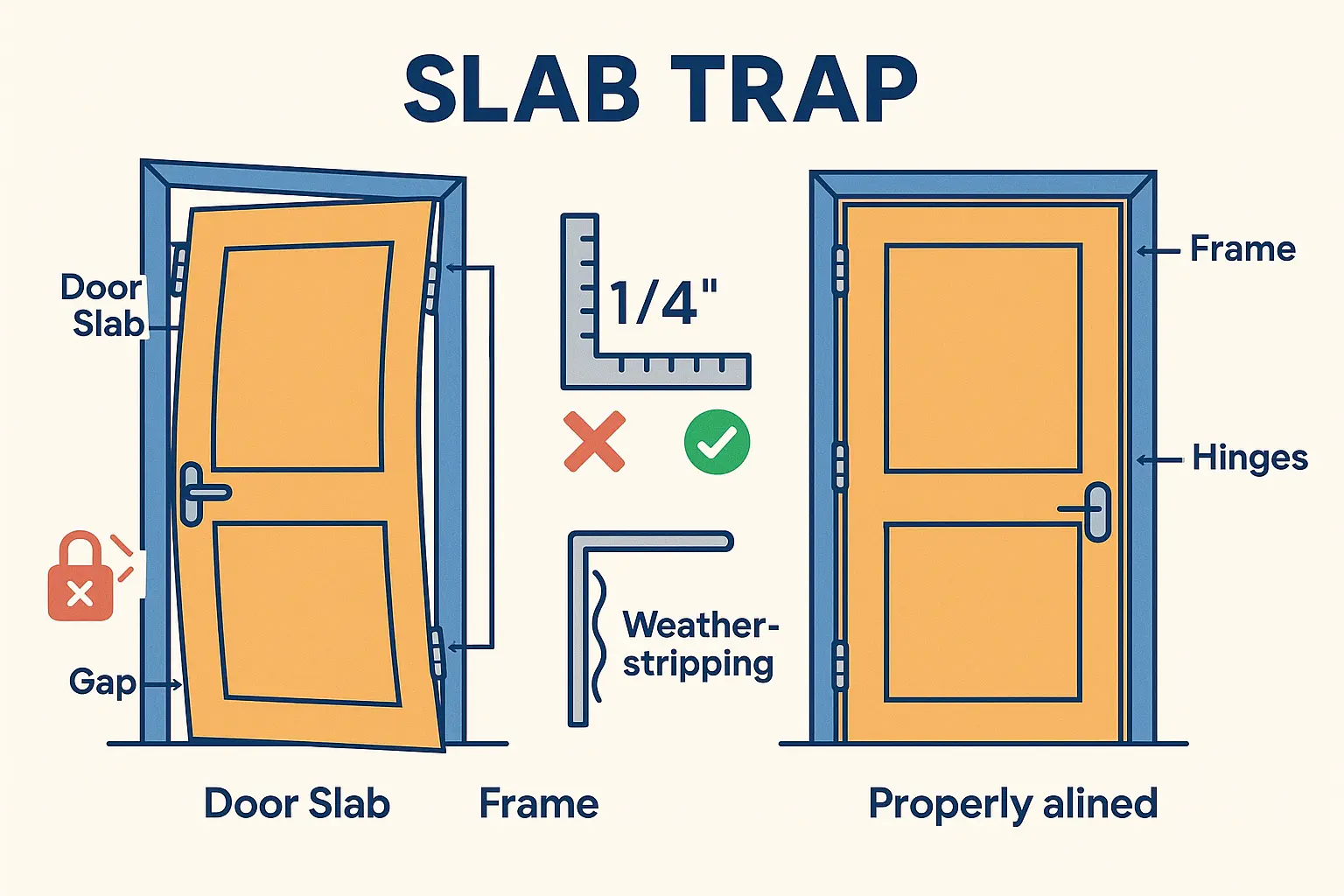
This visual clarifies why simply replacing a door slab can fail if the existing frame is warped. The 3-point framing square t

One of the most common cost-saving questions homeowners ask is: Can I buy just the door slab and hang it in my existing frame?

While a slab-only swap is cheaper upfront, it carries high structural risks. Over years of seasonal changes and house settling, door frames warp. If your existing frame is out of square by even a quarter of an inch, a new slab will not seal correctly. This leads to stubborn drafts, latch misalignment, and accelerated wear on your hardware.

To determine if your frame is structurally salvageable, run a simple 3-Point Framing Square Test:

  1. Measure the frame diagonally from the top-left corner to the bottom-right, then from the top-right to the bottom-left. If the two measurements differ by more than 1/4 inch, the frame is out of square.
  2. Check the jambs with a 4-foot level to ensure they are perfectly plumb.
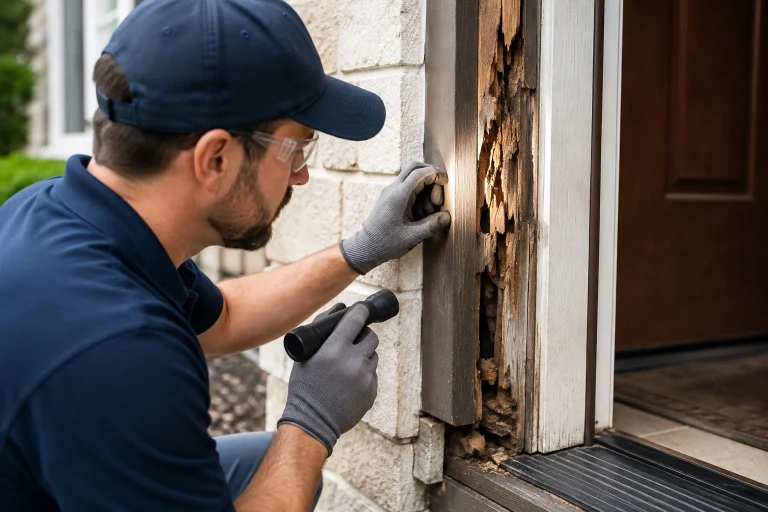
  3. Inspect the bottom sill and the base of the jambs for soft wood, which indicates active rot.

If your frame fails any of these checks, a full prehung system is required. While prehung systems cost more, they arrive pre-assembled in an engineered frame with factory-applied weatherstripping, ensuring a perfectly airtight seal. Ignoring frame warp to save on initial material costs often results in a higher door jamb repair cost down the road.

The Entry Door Replacement Decision Matrix: Interactive Cost, Material, & Structural Guide — Material Showdown


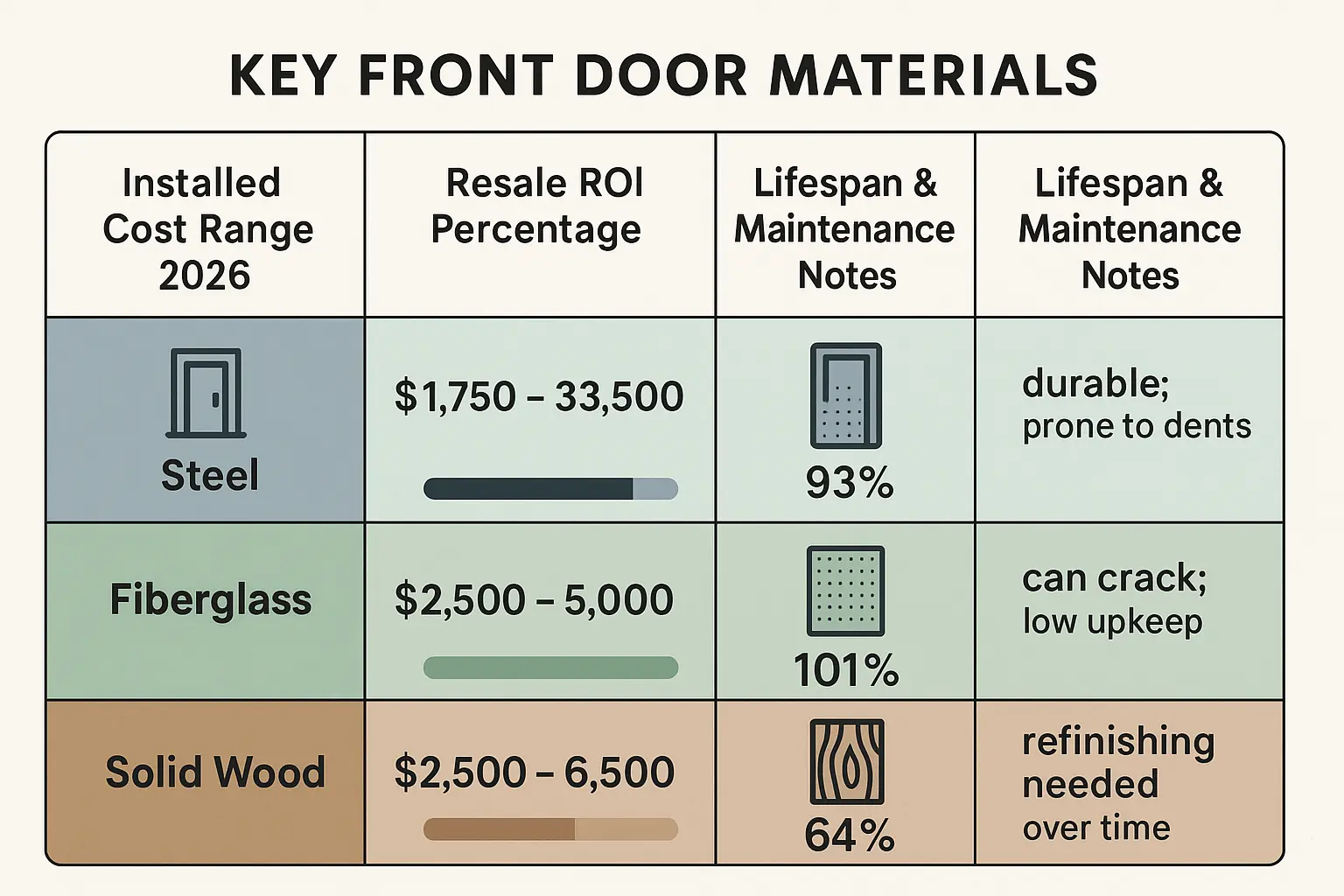
This infographic anchors key data about front door materials, showing their costs, resale value, and durability side by side.

Selecting the right material requires weighing upfront installation costs against maintenance demands and energy performance.

  • Steel Doors: Modern steel entry doors offer unmatched security and financial return. According to the 2025 Cost vs. Value Report, a steel entry door replacement delivers an outstanding 219.8% Return on Investment (ROI) at home resale. The National Association of Realtors (NAR) supports this, noting that an entry door replacement recoups up to 188% of its cost.
  • Fiberglass Doors: High-quality fiberglass offers excellent durability, mimicking the look of real wood without the risk of warping or rot. Fiberglass and steel doors with insulated polyurethane foam cores lower heating and cooling losses by 10% to 20%, translating to $100 to $300 in annual utility savings.
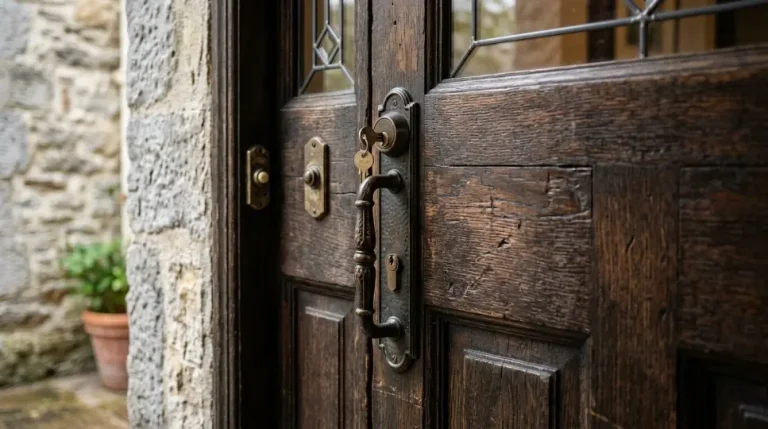
  • Solid Wood: Wood provides unmatched classic beauty but demands regular painting or varnishing. It is highly susceptible to moisture expansion, making it less ideal for climates with severe seasonal swings.

When evaluating materials, always look at the door u factor—the lower the U-factor, the better the door prevents heat transfer.

The Symptom Checklist


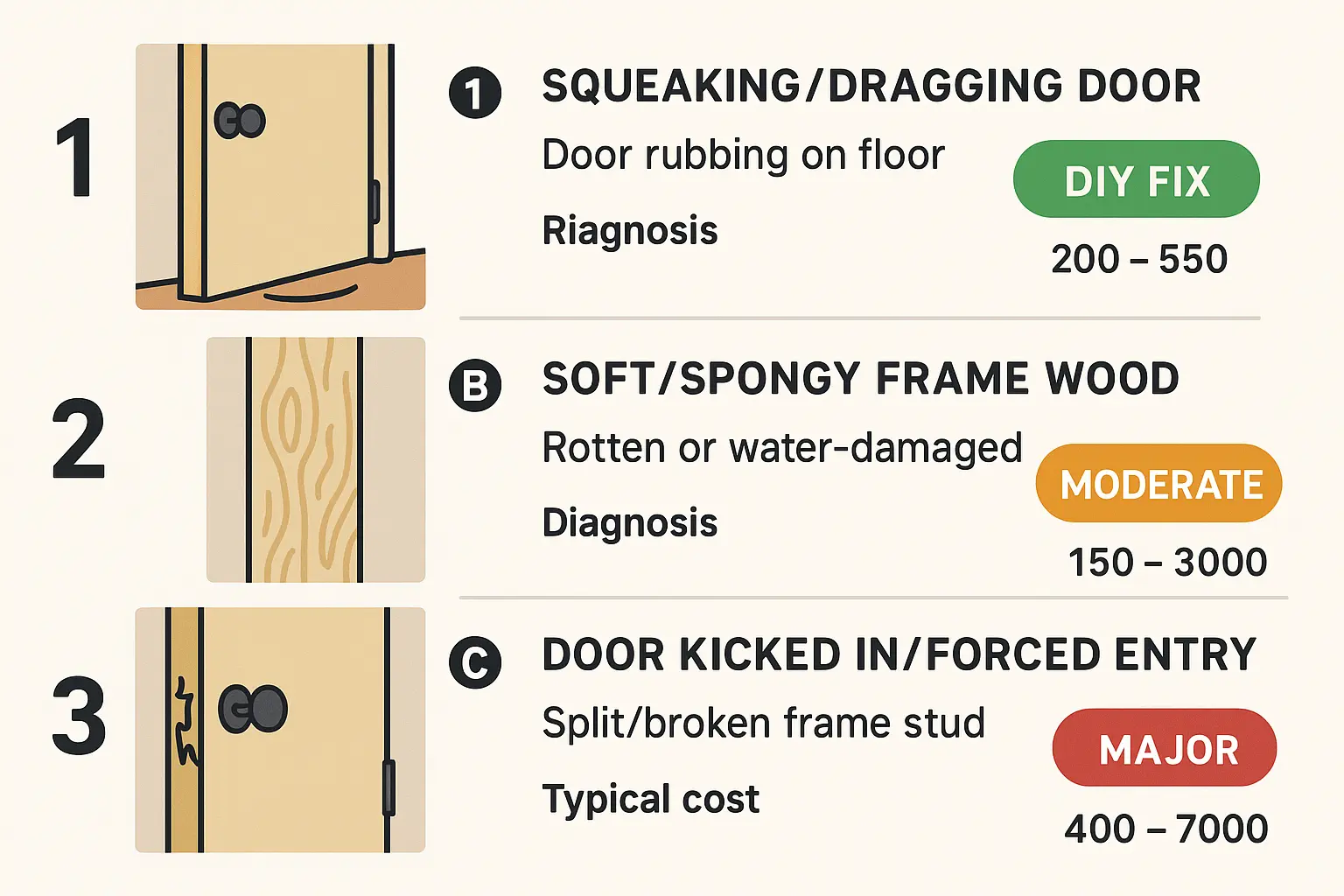
This checklist visual breaks down common front door problems into clear symptoms, helping homeowners self-assess the severity

Not every drafty or sticky entryway requires a full replacement. Identifying whether your door needs replacement or can be resolved with a targeted repair saves money and extends the lifespan of your entry system. Use this quick symptom guide to self-diagnose your front door.

Frequently Asked Questions


Can I replace a front door without replacing the frame?

Yes, you can replace just the door slab if your existing frame is completely square, plumb, and free of wood rot. However, if the frame is warped by more than a quarter of an inch, a slab-only replacement will lead to gaps, drafts, and lock misalignment. A full prehung system is recommended in these cases.

Why is there such a large price range in front door quotes?

Estimates vary based on door material, structural complexity, and local labor rates. A basic steel door replacement is highly cost-effective, while custom wood systems or fiberglass configurations with sidelights require specialized labor and premium materials. True professional quotes also factor in necessary line items like structural prep, weatherproofing, and old door disposal.

How do I know if the wood rot under my door threshold is serious?

If the wood at the base of your door jambs or sub-floor feels soft, spongy, or crumbles when pressed with a screwdriver, you have active rot. This requires immediate structural remediation before installing a new door. Failing to repair a rotting sub-sill will compromise the stability and seal of your new entry system.