

Automatic Door Replacement and Modernization
When an automatic entrance is past economical repair, replacing it does not have to mean rebuilding the whole opening. In most buildings the working parts are replaced inside the frame that is already there, and the storefront around it is never touched. A1 Door Services replaces complete automatic entrances, replaces operators on doors that are otherwise sound, converts manual doors to automatic and modernizes older systems across Texas, Connecticut and Alabama.
 (855) 676-0881
Get in touch with us
Call us 24/7: (855) 676-0881
Or Let Us Call You
Full Automatic Door Replacement
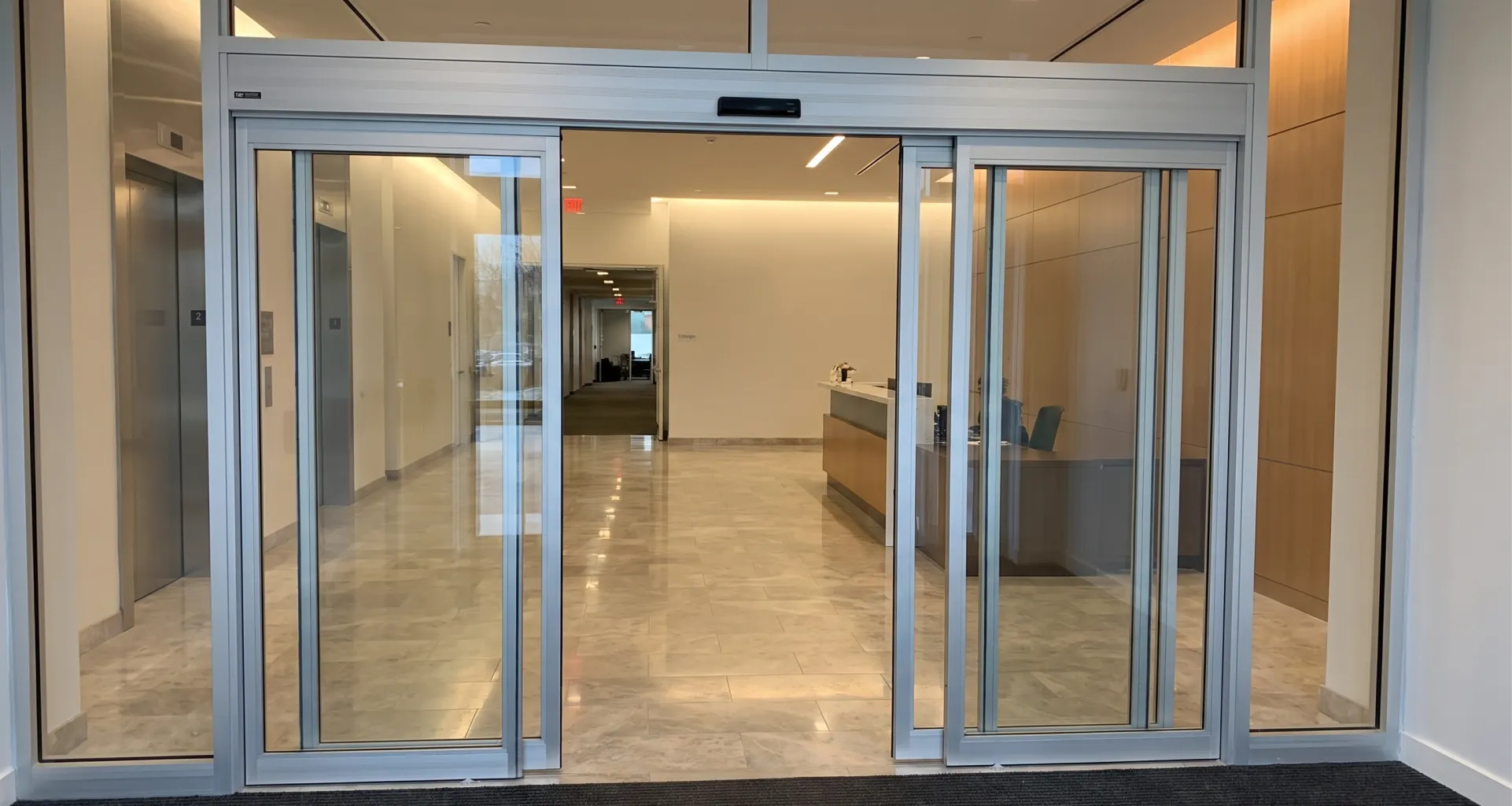
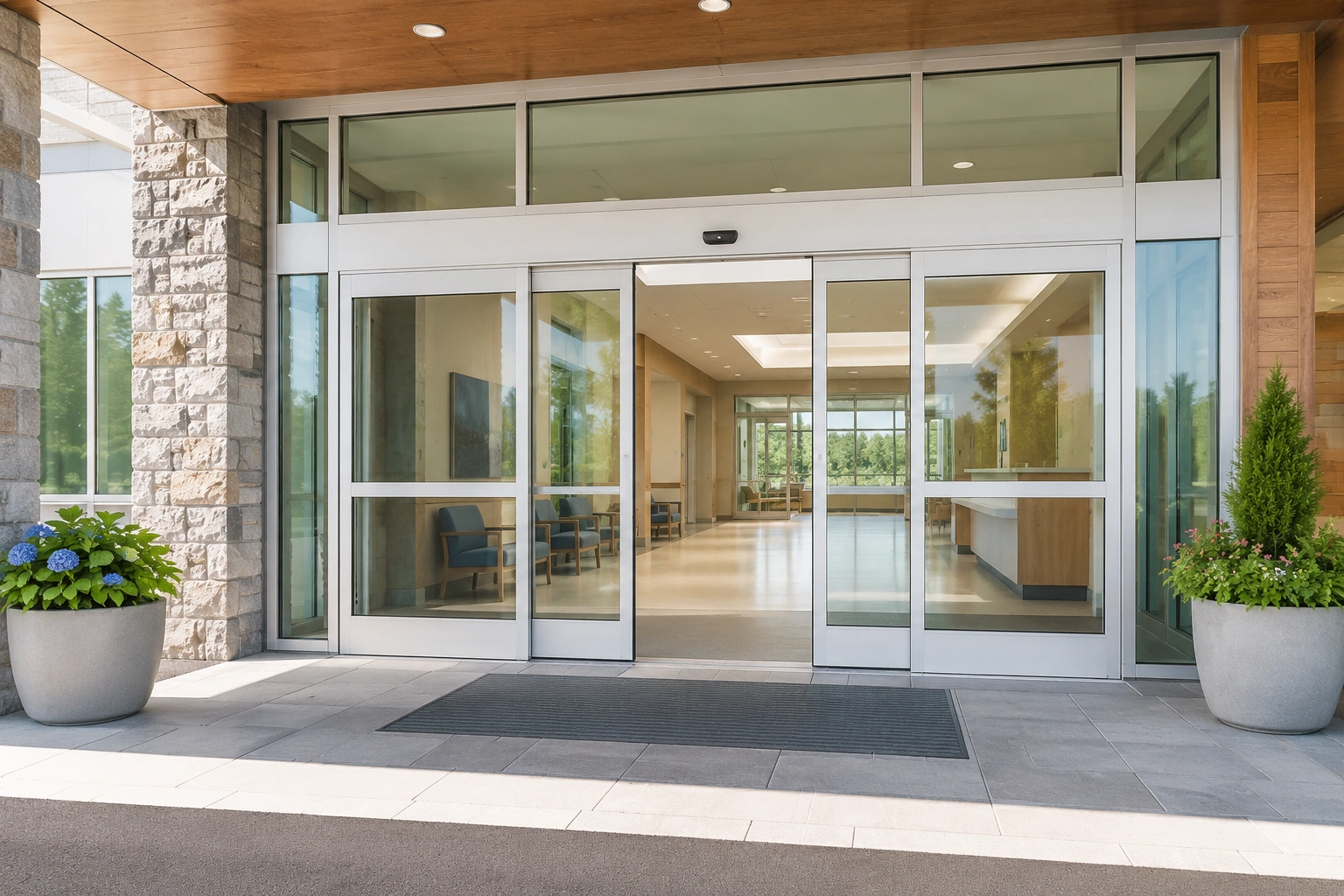
A complete replacement covers the header, operator, drive, controls, sensors, activation devices and panels. Where the existing frame is square, structurally sound and the right size, the new system goes into it — which keeps the work to a single visit and avoids disturbing the glazing and the wall around the opening.
Where the frame, header or threshold has to come out as well, we handle the full tear-out and rebuild: new jambs, header, threshold and glazing, with the structure checked before anything is set. The opening is secured overnight so the building is never left open between the removal and the new install.
Replacement is normally scheduled overnight or before opening in retail, healthcare and hospitality, and staged one leaf at a time in multi-leaf entrances so a route through the building stays available.
Operator Replacement
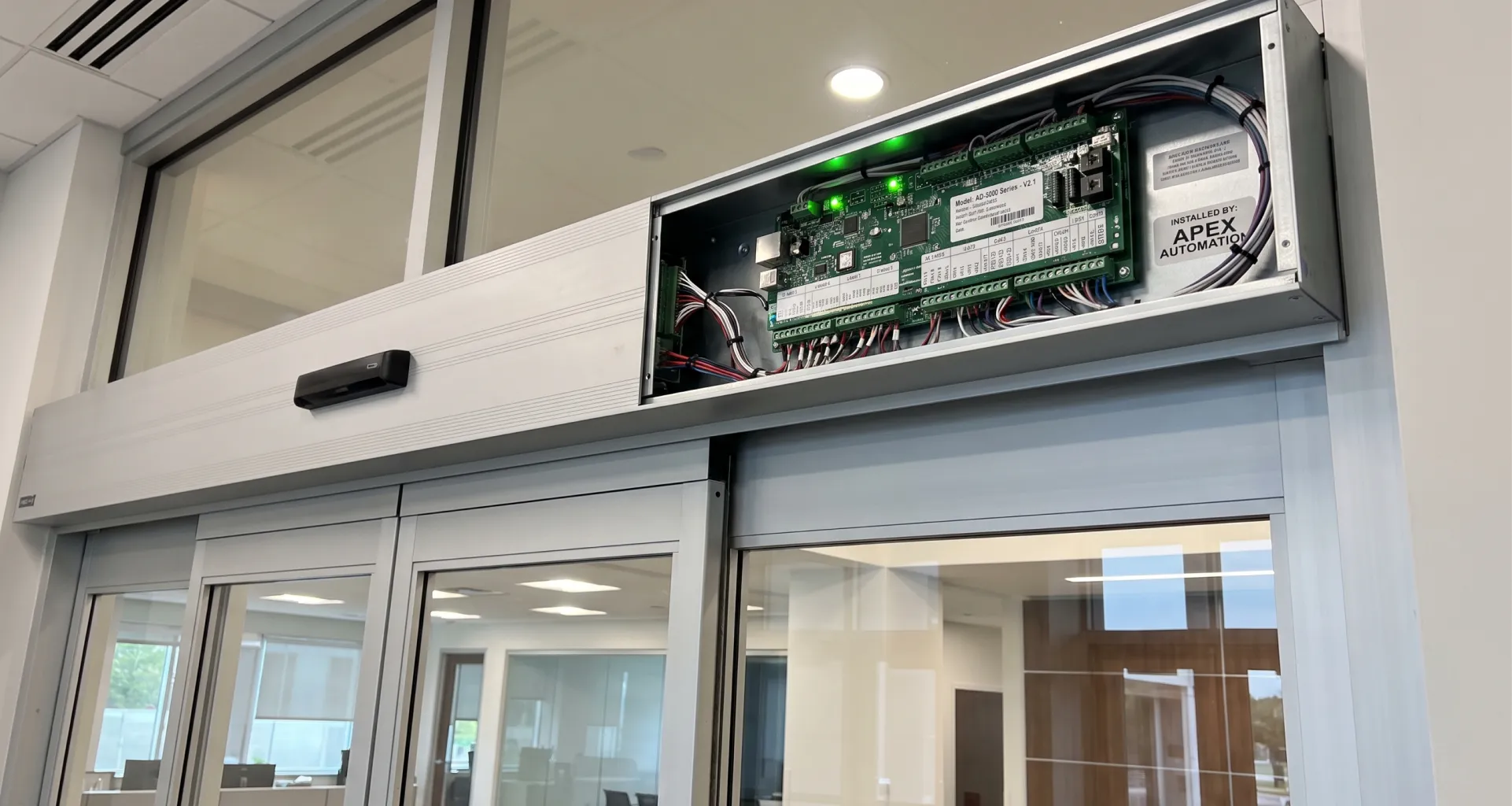
Often the panels, track and frame are fine and only the operator has failed. Replacing the operator on its own is faster, needs no glazing work and leaves the entrance looking exactly as it did.
We replace surface header, overhead-concealed and in-floor operators on swing doors, and header operators on sliding systems. The new unit is sized to the door leaf weight, width and duty cycle rather than matched to whatever happened to be there before — an undersized operator is one of the more common reasons an entrance keeps failing after it has already been repaired twice.
Controls, limits and the sensor package are replaced with the operator where the existing devices are obsolete or worn, so the whole drive chain is current rather than half new and half original.
Converting a Manual Door to Automatic
Adding an operator to a door you already have is the least disruptive way to automate an entrance. We fit low-energy operators to existing swing doors and retrofit operators to existing sliders, then place the activation devices where people actually approach the opening.
This is the usual route for a building that needs an accessible entrance, for a heavy exterior door that visitors struggle with, and for interior openings — restrooms, vestibules, corridors and suite doors — where a manual door has become an obstacle.
The survey confirms whether the existing frame and header can carry an operator, whether the door leaf weight is within range, and where the power feed will come from. Where the frame will not take the load, we say so before anything is ordered.
Modernizing an Older Entrance
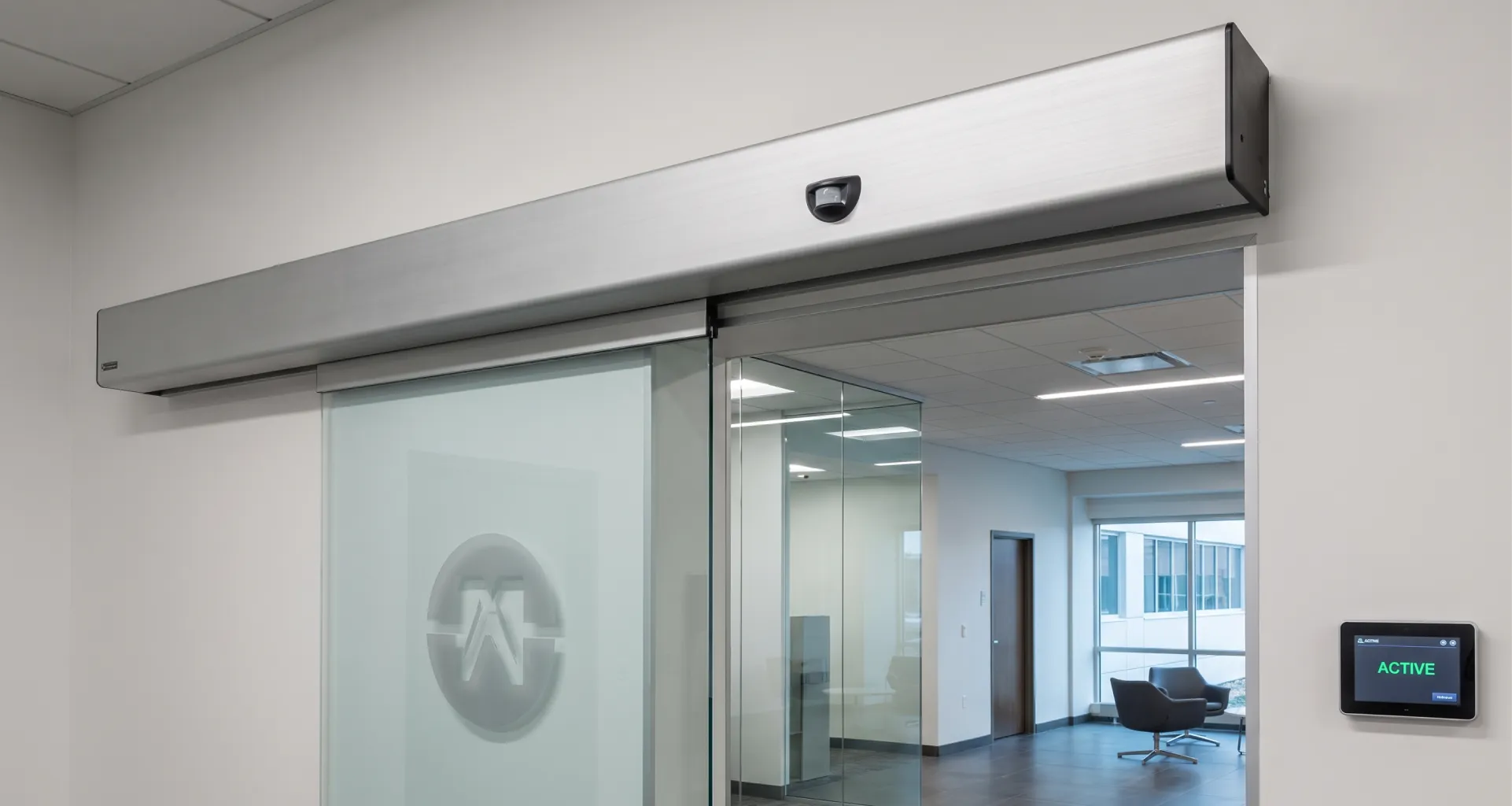
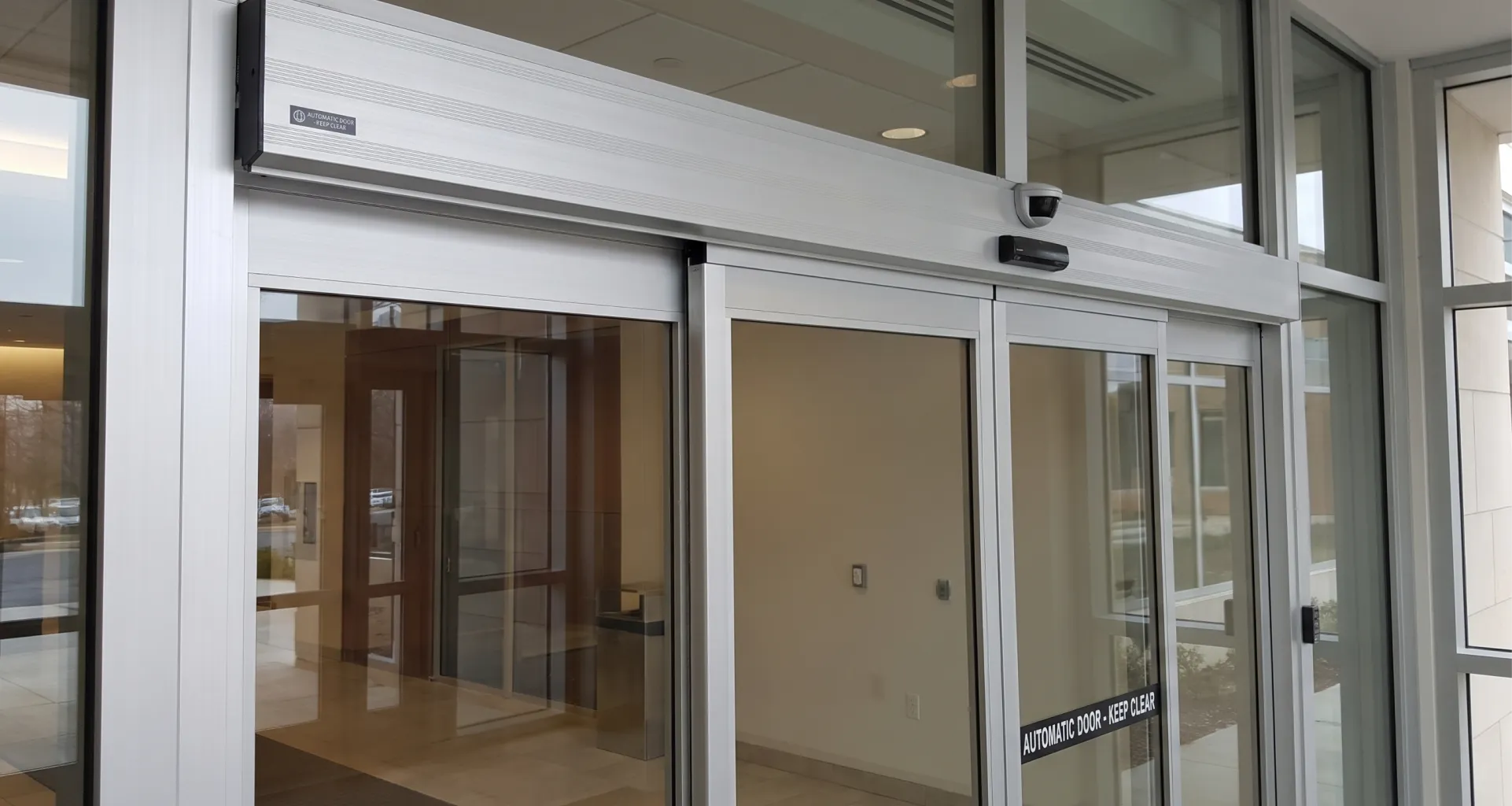
Legacy electro-hydraulic and pneumatic operators are converted to modern electromechanical drives. Obsolete control boards are replaced with current logic and cross-referenced where the original part is no longer produced. Older sensor packages are swapped for current motion, presence and safety devices.
Modernization also covers full-energy to low-energy conversions and the reverse, adding touchless activation to an operator that still works, and bringing an older entrance back to the timing, force and sensing behaviour its governing standard calls for.
On buildings where the entrance is sound but the surrounding hardware is not, we also renew thresholds, weather seals, bottom guides and breakout hardware as part of the same visit.
Replacing Sensors and Activation Devices as an Upgrade
A large share of what people describe as an old, unreliable door is actually an old, unreliable sensor package. Detection patterns on older devices are coarse, presence detection degrades with age, and early sensors cannot be masked finely enough to cope with a layout that has changed around them.
Replacing the sensor and actuator package on a mechanically sound door is often the cheapest meaningful upgrade available, and it can be done in a single visit without touching the panels or the drive.
Changing Configuration During a Replacement
A replacement is the one moment when the configuration itself can change without extra structural work. Single-slide entrances become bi-parting where cart or trolley traffic has outgrown one moving panel. Bi-parting entrances become telescopic where the building needs a wider clear opening than the wall space allows.
Manual leaves in a vestibule pair become powered, breakout arrangements are added where egress requires them, and swing entrances become sliders where the swing path has been eaten by a new layout.
When Replacement Beats Repair
- Parts for the operator are no longer manufactured and no current equivalent fits the header.
- The header, frame or threshold is bent, corroded or damaged past straightening.
- The system has been repaired repeatedly and the failures are moving from one part to the next.
- The entrance no longer suits the traffic — the opening is too narrow, or the duty cycle has outgrown the operator.
- The building is being renovated and the entrance is being brought up to the new layout.
- The door cannot be brought back within the timing and force figures its governing standard requires.
Surveying Before Anything Is Ordered
Every replacement starts at the door rather than from a photograph. We measure the opening for square, check the header for sag and support, test the frame for racking, and run the existing system through a full cycle to see what it is still doing well.
The panel weight, leaf width, duty cycle and the way people actually approach the entrance all go into the specification. So does what is behind the door — a vestibule, a stair, a queue, a cart corral — because that decides hold-open times and detection more than the door itself does.
The survey tells you three things: what can stay, what has to go, and whether the opening should keep the same configuration or change to a different one.
Keeping the Building Open During a Replacement
Most automatic door replacement work happens in buildings that cannot close. Retail, healthcare, hospitality and transport sites are staged overnight or before opening, and the opening is secured for as long as it is out of use.
In multi-leaf entrances and vestibule pairs we replace one leaf at a time so a route through the building stays open throughout. On single entrances an alternative door is agreed and signed before the removal starts.
Where a replacement runs across more than one night, the entrance is left secure and weathertight at the end of each shift rather than boarded and forgotten.
Service Areas
Texas — Austin, Cedar Park, Cypress, Richardson, McKinney, Sherman, Paris. Connecticut — Hartford, New Haven, Danbury, Greenwich. Alabama — Birmingham.
Book a replacement survey — we will tell you what can stay, what has to go and how the work fits your operating hours.
Our Services
Frequently Asked Questions
Can you replace the door without replacing the frame?
In most cases yes. If the frame is square, sound and dimensionally right, the new header, operator and panels go into the existing opening and the surrounding glazing stays untouched.
Can I replace just the operator?
Yes, when the panels, track and frame are in good condition. It is the shorter job and leaves the entrance looking unchanged.
Can a manual sliding door be converted to automatic?
Yes. Retrofit operators are made for existing sliders. The survey confirms whether the frame and header can carry the operator and where the activation devices need to sit.
Can you replace an obsolete system with a current one?
Yes. Discontinued and legacy automatic doors are replaced with current operators sized to the same opening, usually without changing the frame.
Will the new entrance match the rest of the storefront?
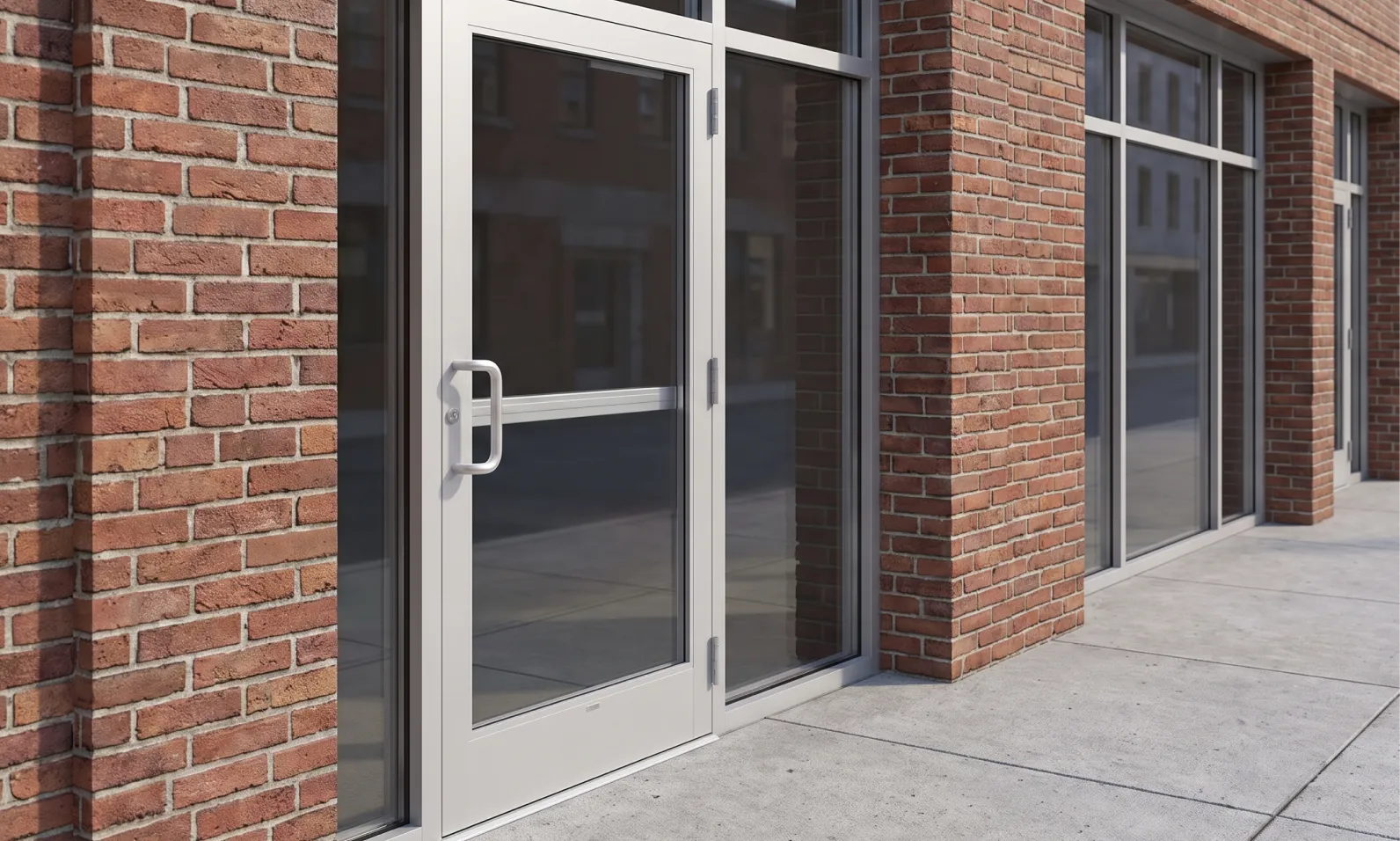
Yes. Automatic entrances come in the standard anodized and powder-coat finishes used across commercial storefront systems, and glazing is matched to what is already in the building.
Can the configuration change during a replacement?
Yes, and a replacement is the natural point to do it — single-slide to bi-part, or bi-part to telescopic where the building needs a wider clear opening.
How long is the entrance out of service?
A like-for-like replacement inside the existing frame is usually a single visit. Where the frame comes out too, the opening is secured overnight and the entrance is back in service the following day in most buildings.