When a glass door system begins sticking, leaking air, or binding along its track, property owners face a critical decision: attempt a quick DIY fix, arrange target component repairs, or invest in a full system replacement. Making the right choice requires understanding how individual door components wear over time, how regional climate conditions accelerate degradation, and where the financial tipping point lies between maintenance and replacement.
Master Guide to Glass Door Systems: Maintenance, Diagnostics, and Longevity
Published: Oct 19, 2026
Diagnostic Decision Tree: What Is Wrong With Your Glass Door?
Evaluating modern architectural glass doors requires isolating hardware failures from structural frame shifts. Surface symptoms like heavy drag or sticking tracks often point to localized wear, whereas persistent air leaks, track overflow, or glass fogging indicate seal failure or thermal frame distortion.

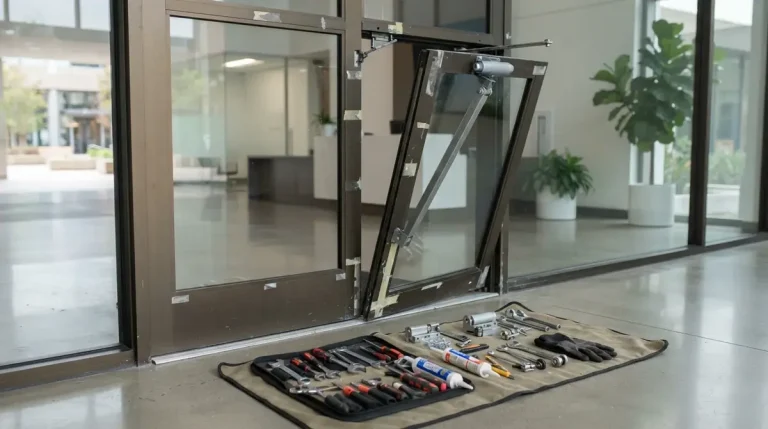
Before committing to major overhauls, systematically isolate whether the operational drag stems from debris accumulation, failed bottom wheels, or misaligned lock keeps. Addressing minor mechanical resistance early through targeted sliding door track repair prevents uneven strain on interlockers and perimeter seals.
Core Maintenance & Longevity Protocol (Preventative Maintenance)
Extending the service life of glass door systems hinges on routine track hygiene and selecting correct, non-degrading lubricants. Standard nylon rollers carry an average service life of 5 to 7 years under standard residential use (8 to 12 cycles daily). In contrast, heavy-duty tandem stainless steel rollers on large 8-foot panel systems last 10 to 15 years when tracks are cleared bi-monthly.
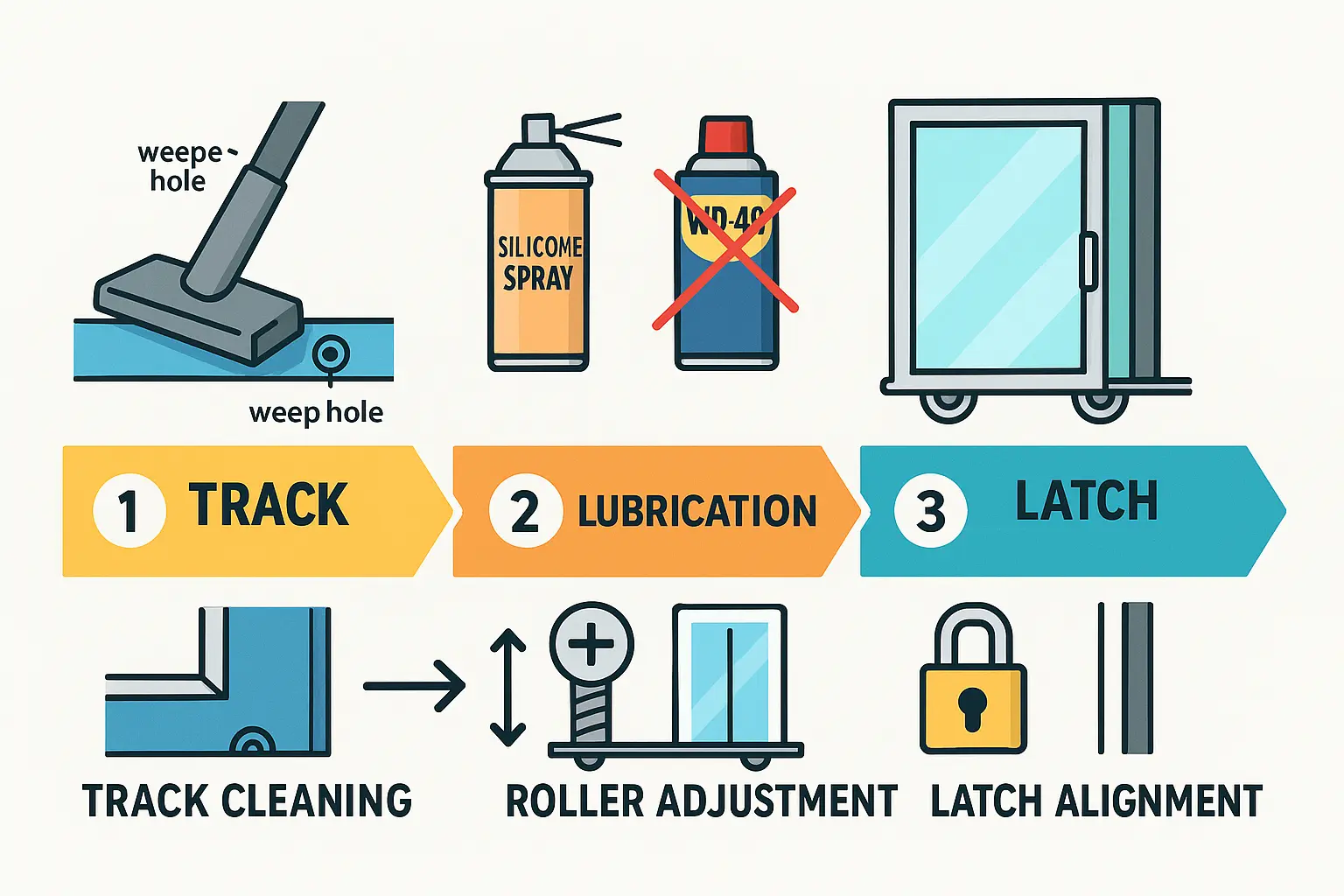
A critical maintenance mistake is applying petroleum-based lubricants like standard WD-40. Petroleum solvency chemically breaks down nylon roller wheels and degrades vinyl frame seals, attracting dust that acts like sandpaper on metallic tracks. Always use dry silicone or PTFE-based sprays to protect rolling hardware.
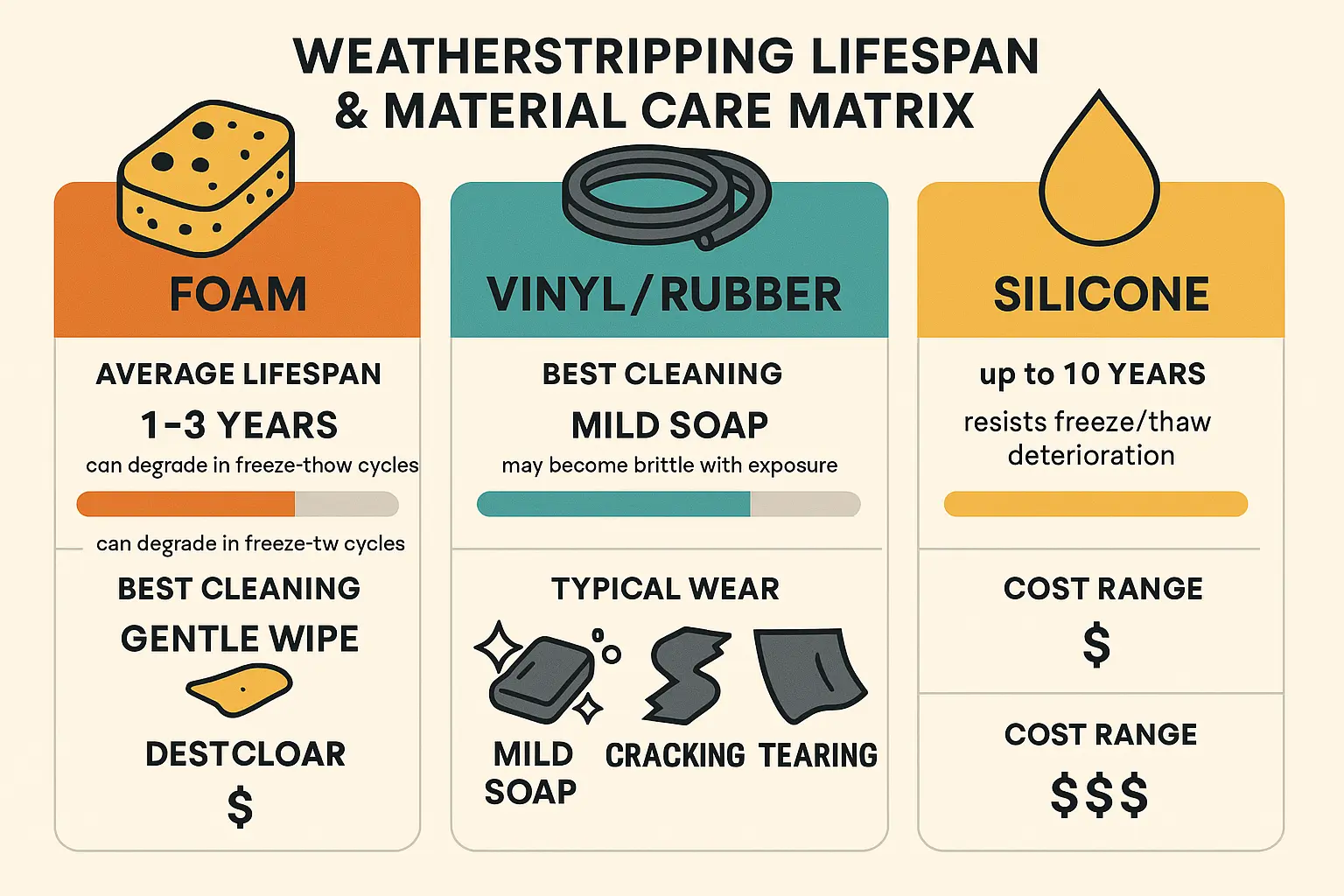
Weatherstripping material choice directly determines long-term energy efficiency. Basic foam tape degrades within 2 to 3 years. Extruded vinyl or rubber seals last 5 to 8 years, while high-grade silicone perimeter bulb seals maintain flexibility for 10 to 12+ years. In Northeast freeze-thaw climates, a compromised bottom weather seal increases localized room thermal loss by up to 21% during winter months. Understanding different types of glass for doors and frame seal specs protects both comfort and HVAC efficiency.
Take the Next Step in Door System Longevity
Whether you manage a high-traffic commercial facility or seek to preserve custom residential patio doors, structured preventative care prevents costly emergency replacements. Partnering with experienced, licensed technicians ensures your entryways remain smooth, secure, and energy efficient year-round.
Commercial Glass Door Compliance & Preventative Maintenance
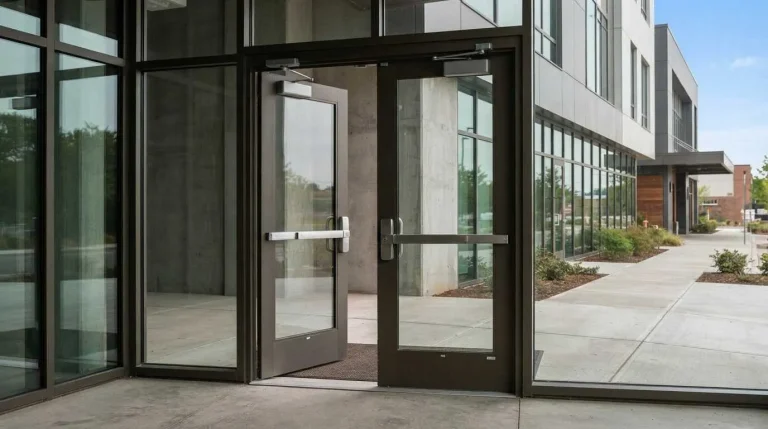
Commercial glass entries demand strict maintenance schedules due to high cycle counts, B2B liability factors, and accessibility mandates. Commercial entrance systems require quarterly inspection of closer sweep speeds, latching velocity, and panic device hardware.
Building managers must ensure compliance with operating force limits. Under standard accessibility rules, non-fire-rated exterior doors must meet specific opening force thresholds (typically under 5 lbs operating force). Schedule regular commercial glass door adjustment and verify ada automatic door operator requirements to avoid safety hazards and drag-induced frame distortion. For broken pivots or storefront track alignment, specialized commercial storefront door repair keeps high-traffic entrances safe and operational.
Frequently Asked Questions
Why is my sliding glass door suddenly sticking and difficult to push?
Sticking usually results from accumulated track debris, flat-spotted nylon rollers, or misaligned height adjustment screws. Clean the bottom track thoroughly and adjust the lower roller screws located at the base of the door frame. If the door remains heavy, the internal roller bearings have likely failed and require replacement.
Can I use petroleum-based lubricants like standard WD-40 on glass door tracks?
No. Petroleum-based lubricants attract dirt and grit, creating an abrasive paste that wears down tracks. Additionally, petroleum breaks down nylon roller wheels and degrades vinyl weather seals over time. Always use dry silicone or PTFE spray lubricants.
How do seasonal temperature changes affect glass door performance in Connecticut?
Freeze-thaw cycles cause vinyl and aluminum frames to expand and contract, which can misalign lock keeps and harden perimeter weatherstripping. Water trapped in uncleaned weep holes can freeze, cracking bottom track assemblies and causing internal seal ruptures.