(855) 676-0881

Sliding Glass Door Hard to Open? Roller and Track Repair Explained


Published: Oct 2, 2026

Throwing your entire body weight into opening a patio door isn’t just exhausting—it is a clear sign of structural wear. Sliding doors are engineered to glide effortlessly on high-performance wheel systems. If you can’t slide your door closed using just two fingers, your door is failing the “Three-Second Drag Test.”

Ignoring a heavy, sticky door can lead to major damage. Up to 80% of permanent track damage happens because homeowners delay replacing worn rollers. When the internal bearings fail, the metal wheel stops rotating. It then drags flat across the soft aluminum track, scraping away metal and destroying the frame.
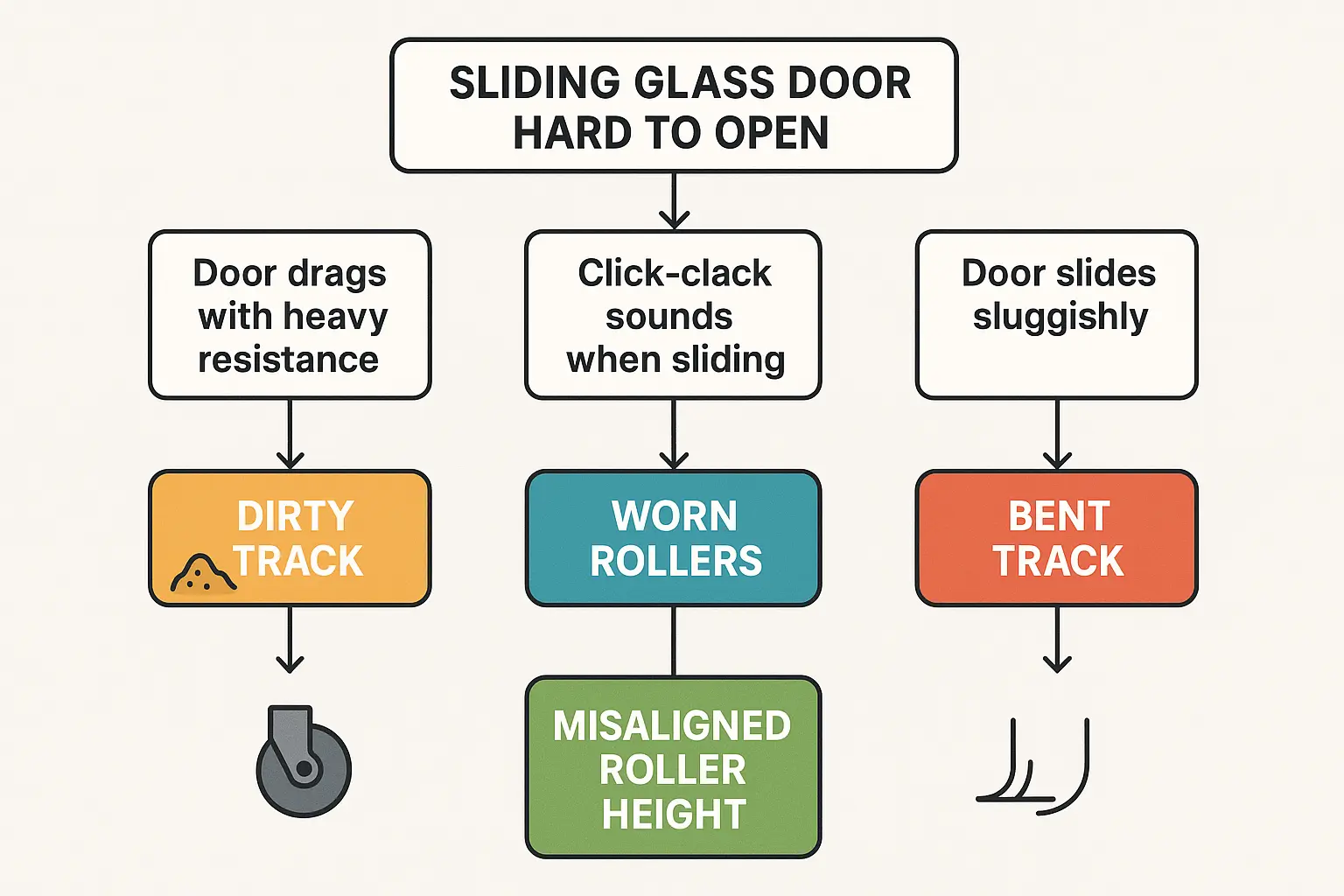
The 60-Second Interactive Diagnostic Checklist


Before purchasing parts or calling a technician, isolate the failure point by mapping your symptoms:

  • Bumpy, rhythmic clicking: Worn-out wheel bearings or flat spots on the rollers.
  • Continuous screeching or scraping metal: The rollers have failed completely, and the door frame is dragging directly on the metal track.
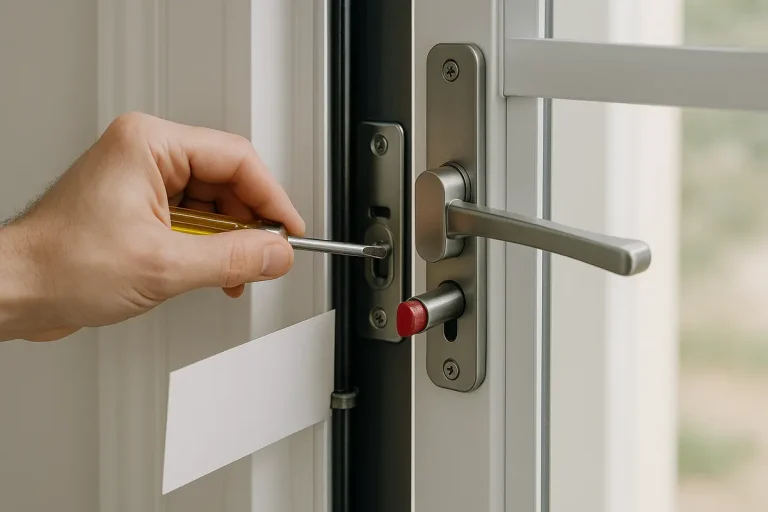
  • The door slides but won’t lock: The roller height is uneven, causing the lock latch to miss the strike plate.
  • Sluggish, heavy sliding without grinding: Accumulation of sand, hair, and household dirt.

Step-by-step visual diagnostic tool helping homeowners quickly identify why their sliding glass door is hard to open, enabling targeted solutions.

Deep Track Restoration & Lubrication Myth


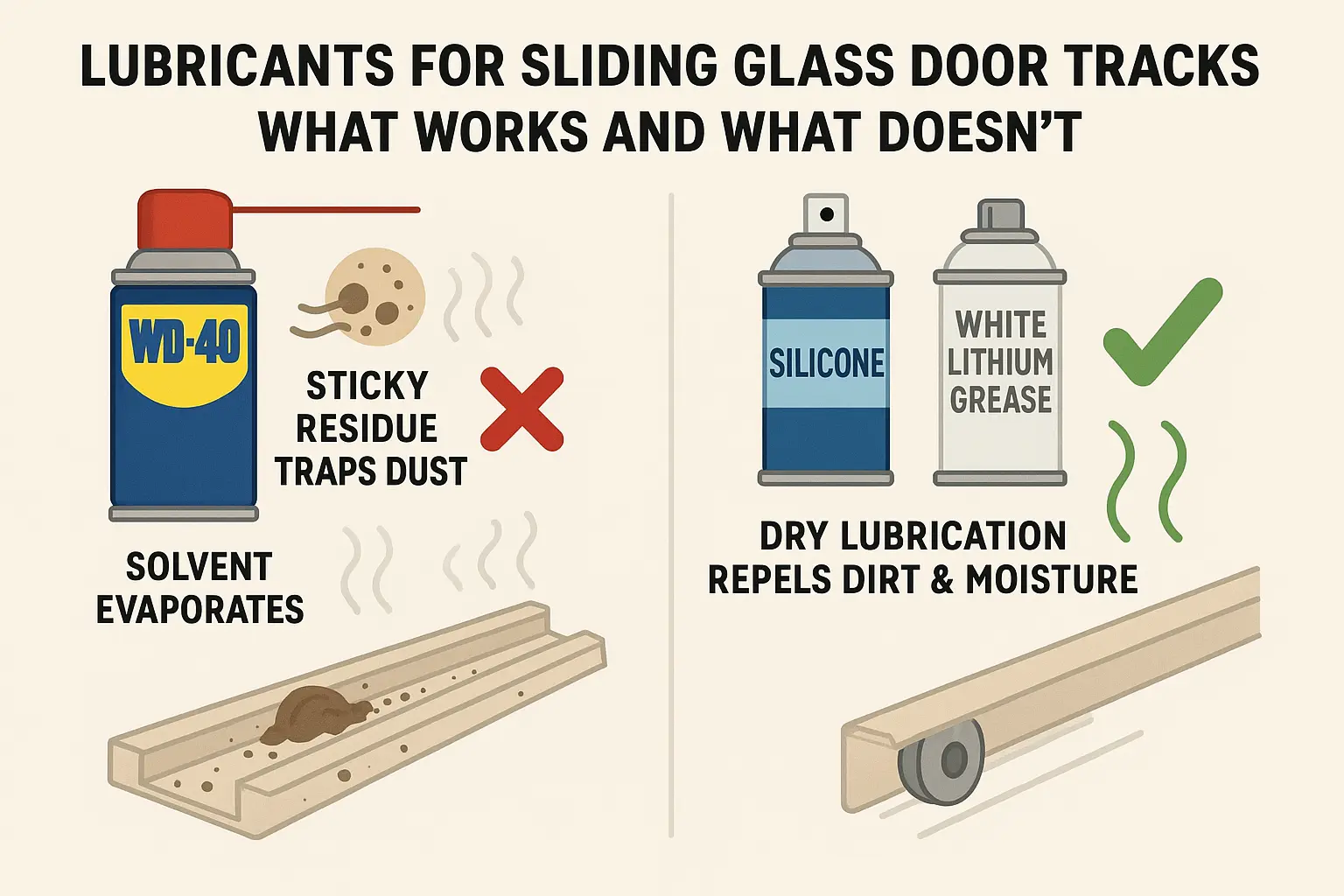
When a door is hard to slide, many homeowners reach for standard WD-40. This is a critical mistake. WD-40 is a solvent, not a true long-term lubricant. It evaporates quickly, leaving behind a sticky petroleum residue that acts like a magnet for dirt, sand, and pet hair. This abrasive sludge accelerates wheel failure.

To clean your track properly:

  1. Vacuum loose debris with a crevice tool.
  2. Scrub embedded grime using a stiff brush and mild soapy water, then wipe completely dry.
  3. Apply a specialized dry silicone spray or white lithium grease. Dry silicone dries quickly, leaving a slick, dirt-repelling barrier.

Visual reminder why WD-40 harms sliding door tracks by attracting dirt, while dry silicone and white lithium grease keep rollers sliding smoothly and cleanly.

Roller Height Adjustments & Lock Misalignment


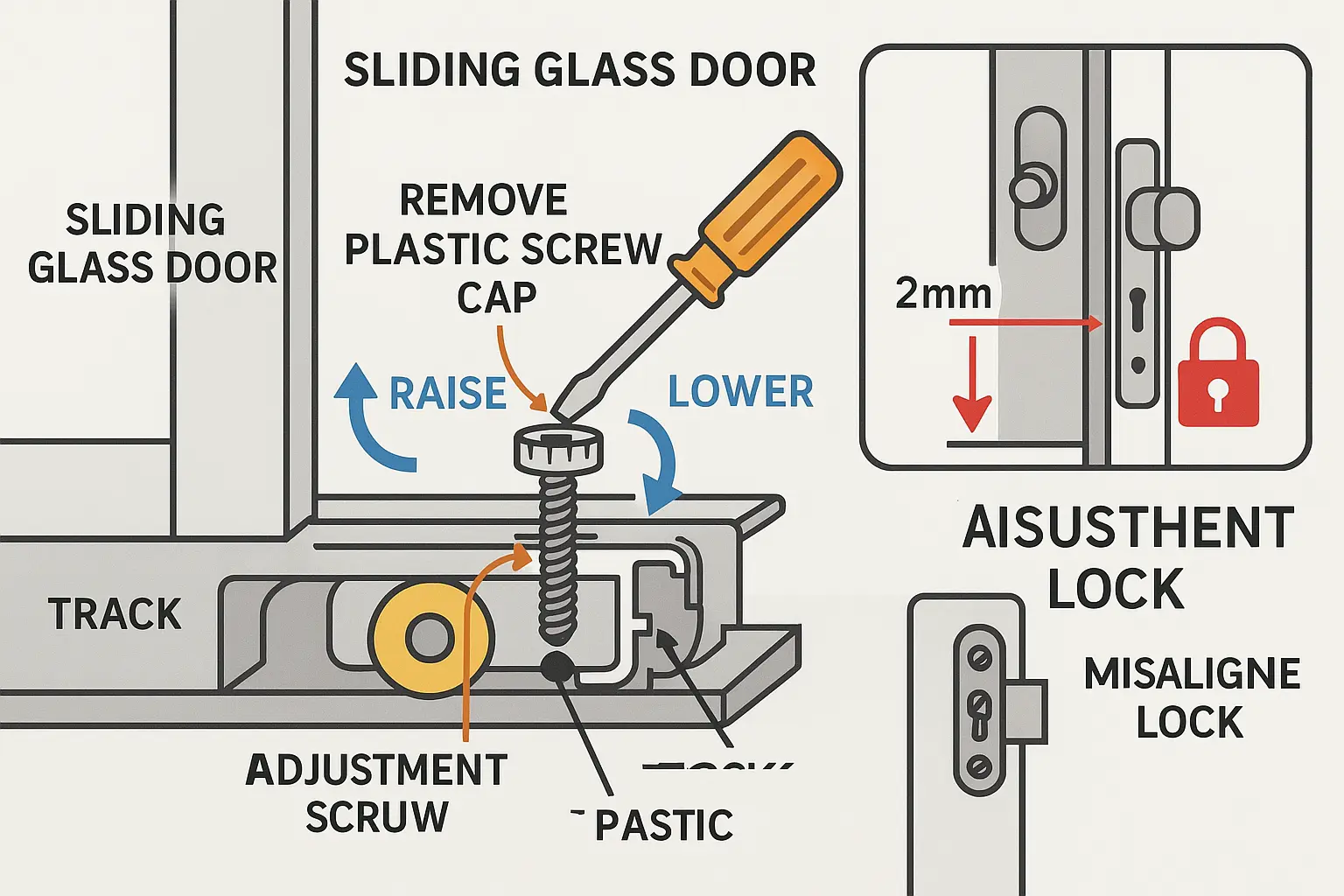
Many lock failures are actually roller failures. When wheels wear down, the door drops. Even a tiny 2mm height reduction can misalign the lock latch with the strike plate.

To fix this, look for the small adjustment screw holes on the bottom ends of the door frame (sometimes hidden behind plastic caps). Turning the screw clockwise raises the door; counterclockwise lowers it. Ensure both sides are adjusted evenly so the door stays perfectly level.

Learn how to adjust your sliding door rollers to restore smooth operation and proper lock alignment, preventing security issues caused by roller sag.

Identifying and Replacing Worn Rollers: Polymer vs. Steel


A standard single-glazed sliding patio door weighs 80 to 150 lbs, while modern double-paned or storm-impact doors can weigh 200 to 500 lbs. If adjusting the screws doesn’t help, the rollers must be replaced.

Choosing the right roller material is critical:

  • Nylon/Polymer Wheels: Whisper-quiet and rust-proof. They prevent metal-on-metal track wear, making them great for lightweight to medium-weight vinyl or aluminum frames.
  • Stainless Steel Wheels: Strong enough for heavy, impact-resistant glass doors, but they can cause track wear if they fail.

In Connecticut’s coastal microclimates, where humidity levels often rise, standard carbon steel rollers corrode quickly. Using premium stainless steel or heavy-duty polymer rollers is essential to prevent premature failure.

Track Repair: The Snap-On Solution vs. Professional Replacement


If your metal track is already gouged or scratched, putting new rollers on it will only ruin them again. You do not always need to replace the entire door frame—which can cost between $1,500 and $4,000.

Instead, a stainless steel track repair cap can be installed directly over the damaged rail. This $30 metallic sleeve creates a smooth, durable surface for the new wheels, extending the life of your door for a fraction of the cost.

DIY vs. Professional Intervention: The Safe Choice


While cleaning and basic screw adjustments are easy DIY tasks, replacing the rollers requires removing the door panel. Lifting a 150-pound sheet of tempered glass is dangerous. One slip can shatter the glass or cause injury.

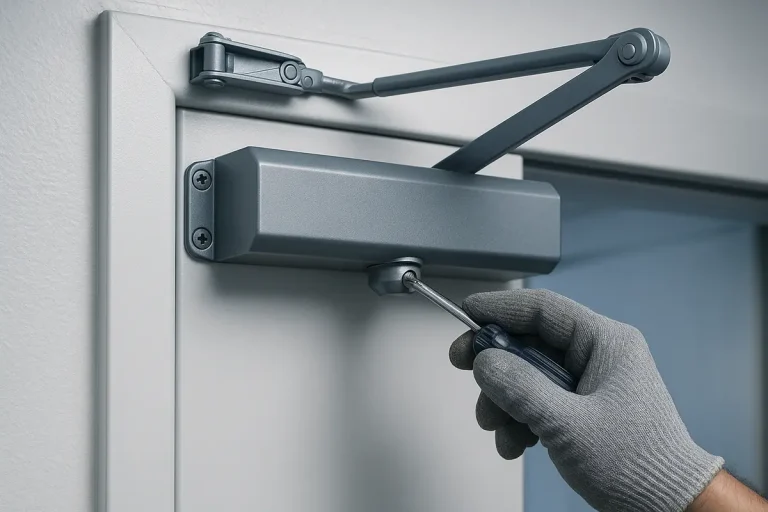
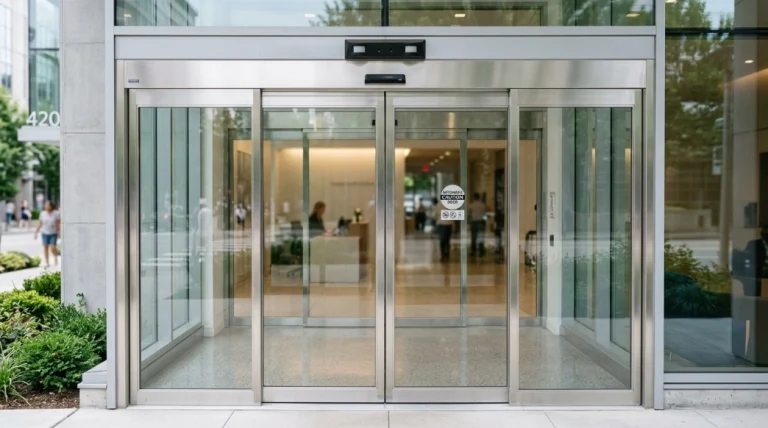
If you are dealing with heavy doors, complex automatic sliding door repair needs, or require a complete sliding door repair near me, calling a professional is the safest option. A1 Doors Services provides experienced, licensed technicians to handle the heavy lifting and ensure your doors operate smoothly and safely.

Frequently Asked Questions


Can I use standard WD-40 to lubricate my sliding glass door track?

No, standard WD-40 is a solvent that leaves a sticky residue. This residue attracts dirt, pet hair, and sand, creating a thick grime that clogs the rollers and damages the track. Use a dry silicone or PTFE spray instead.

How do I know if my sliding door needs new rollers or just cleaning?

If the door feels sticky but moves quietly after you clean the track, it likely just needed cleaning. However, if you hear grinding, clicking, or scraping, or if the door remains difficult to move after adjusting the screws, the roller bearings have failed and need to be replaced.

How much does it cost to fix a damaged sliding door track?

If the track is slightly worn, a stainless steel track repair cap can be a practical, lower-cost fix. If the track is severely bent or warped, replacing the frame and threshold may require a much larger investment, which makes early repairs and regular roller maintenance a more cost-effective option.