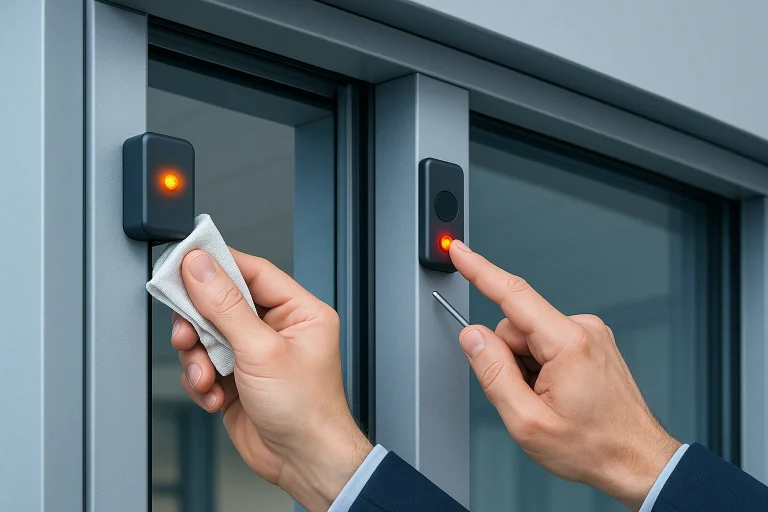
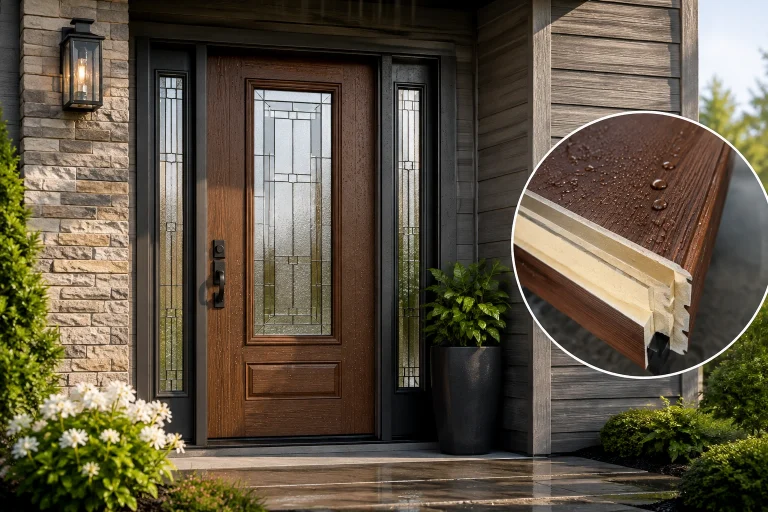
Choosing the right exterior door in Connecticut is more than a simple cosmetic update. Between sub-zero winter drafts, high summer humidity, and coastal salt air, Connecticut homeowners require doors that combine exceptional architectural appeal with rugged, engineered durability. Whether you are replacing a drafty entry door or upgrading your patio access, understanding the intersection of local building codes, energy metrics, and historic styles is key to making a lasting investment.
The Ultimate Guide to Exterior Doors for Connecticut Homes: Performance, Styles, and Selection
Published: Sep 24, 2026
The Connecticut Climate Challenge (Zone 5 Protection)
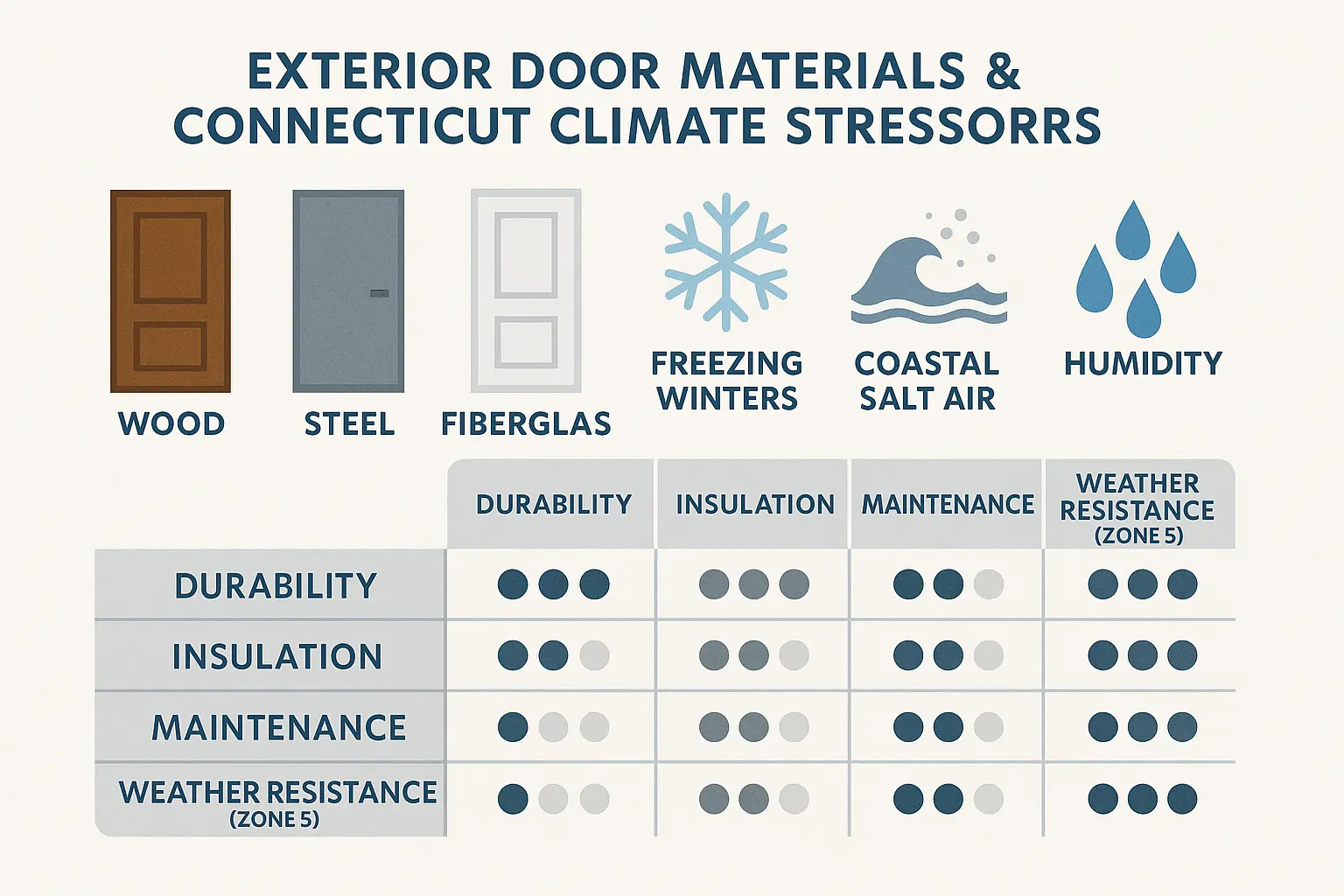
Under the newly adopted 2022 Connecticut State Building Code, the entire state of Connecticut is classified as Climate Zone 5. This designation mandates building components that can withstand extreme freeze-thaw cycles and severe weather.
While natural wood doors deliver unmatched historical accuracy, they require frequent painting and can swell or warp under Connecticut’s seasonal humidity swings. Insulated fiberglass and heavy-duty steel doors have emerged as the premier alternatives, offering the rich texture of real wood without the structural vulnerabilities.
Connecticut Energy Codes and Eversource Bill Impact
To keep your Eversource heating and cooling bills manageable, you must pay attention to thermal performance. When evaluating options, the key metric to look for is the door u factor, which measures how much heat escapes through the door assembly. Lower U-factors translate to superior insulation.
Under the 2021 International Energy Conservation Code (IECC) standards, newly installed glass sliding doors must maintain a maximum U-factor of 0.30. For entry doors, Energy Star Version 7.0 standards require:
- Opaque Doors: U-factor less than or equal to 0.17
- Doors with < 1/2 Glass (Lite): U-factor less than or equal to half glass; U-factor less than or equal to 0.23
- Doors with > 1/2 Glass (Lite): U-factor more than half glass; U-factor less than or equal to 0.28
Additionally, if your home is near a busy commuter corridor or exposed to shoreline winds, premium insulated fiberglass doors can improve your Sound Transmission Class (STC) rating from a standard 20 to an impressive 35–45, creating a much quieter indoor environment.
Security and Locking Technology
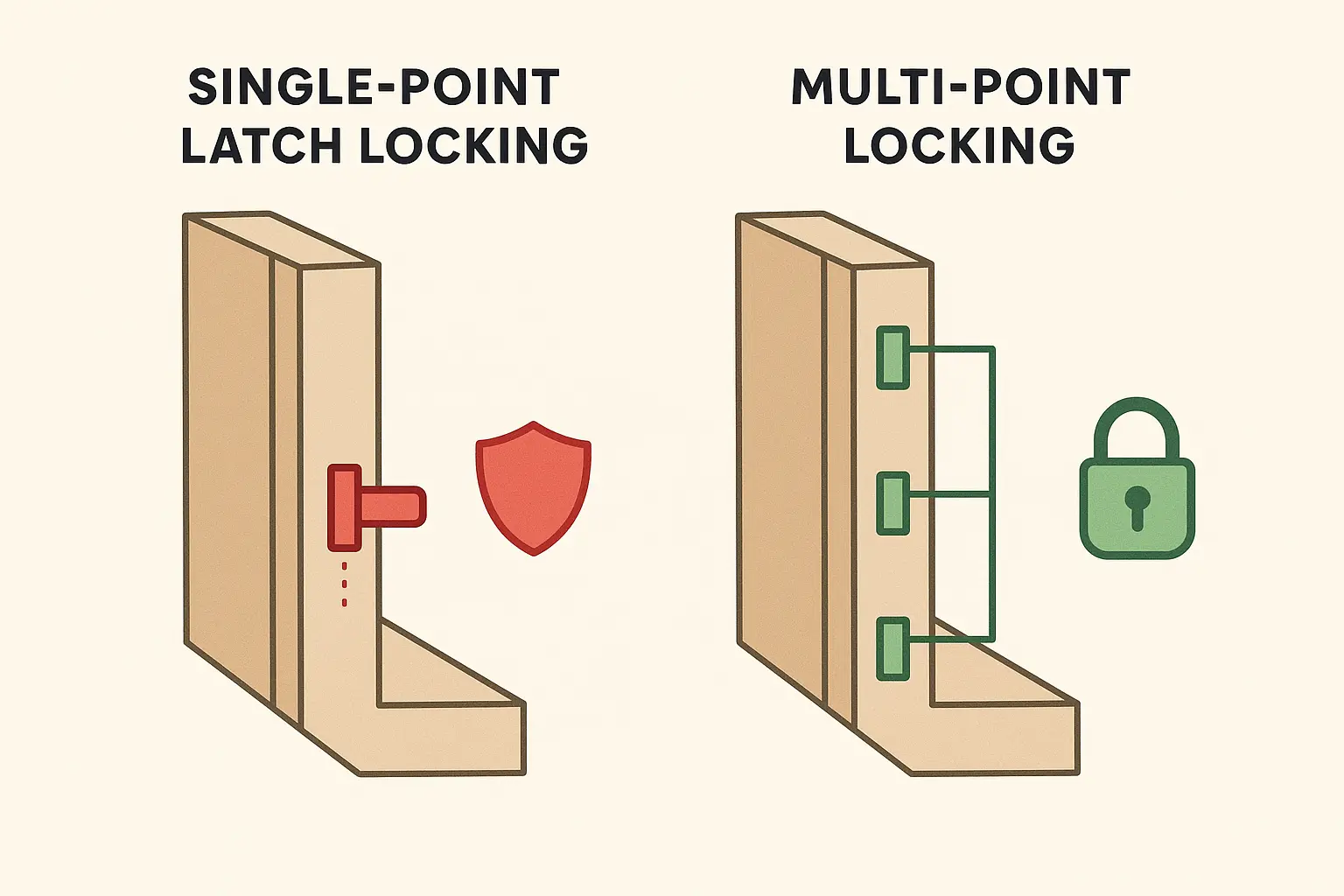
A door’s primary job is keeping your family safe. Security statistics reveal that 70% of residential break-ins occur through a door, with rear sliding patio doors serving as a frequent target due to basic single-point latches.
To combat this, modern installations rely on multi-point locking systems. These systems secure the door at the top, middle, and bottom of the frame simultaneously. Upgrading to a multi-point lock reduces forced-entry success rates by over 90% compared to traditional single-point latches.
Architectural Matching for Connecticut's Diverse Homes
Your front door defines your home’s first impression. Selecting a style that complements your home’s historical or modern architecture is essential for preserving resale value and visual appeal. When planning your replacement front doors, consider these classic regional pairings:
- Classic Colonials: Opt for symmetrical six-panel double entry doors with decorative crown transoms. Rich, historical paint colors like deep navy or forest green preserve this heritage.
- Shoreline Capes: Look for durable fiberglass doors featuring top-lite transoms to let in natural light while resisting coastal winds.
- Mid-Century & Ranch Homes: Choose sleek, flush profiles with asymmetrical glass lites and bold, retro paint choices.
- Modern Farmhouses: Select custom-grid glass lites paired with black hardware to capture a rustic yet contemporary design.
Sliding vs. French Patio Doors: The Homeowners Comparative Guide
When connecting your living space to a deck or patio, the debate usually centers on French doors versus sliding glass systems.
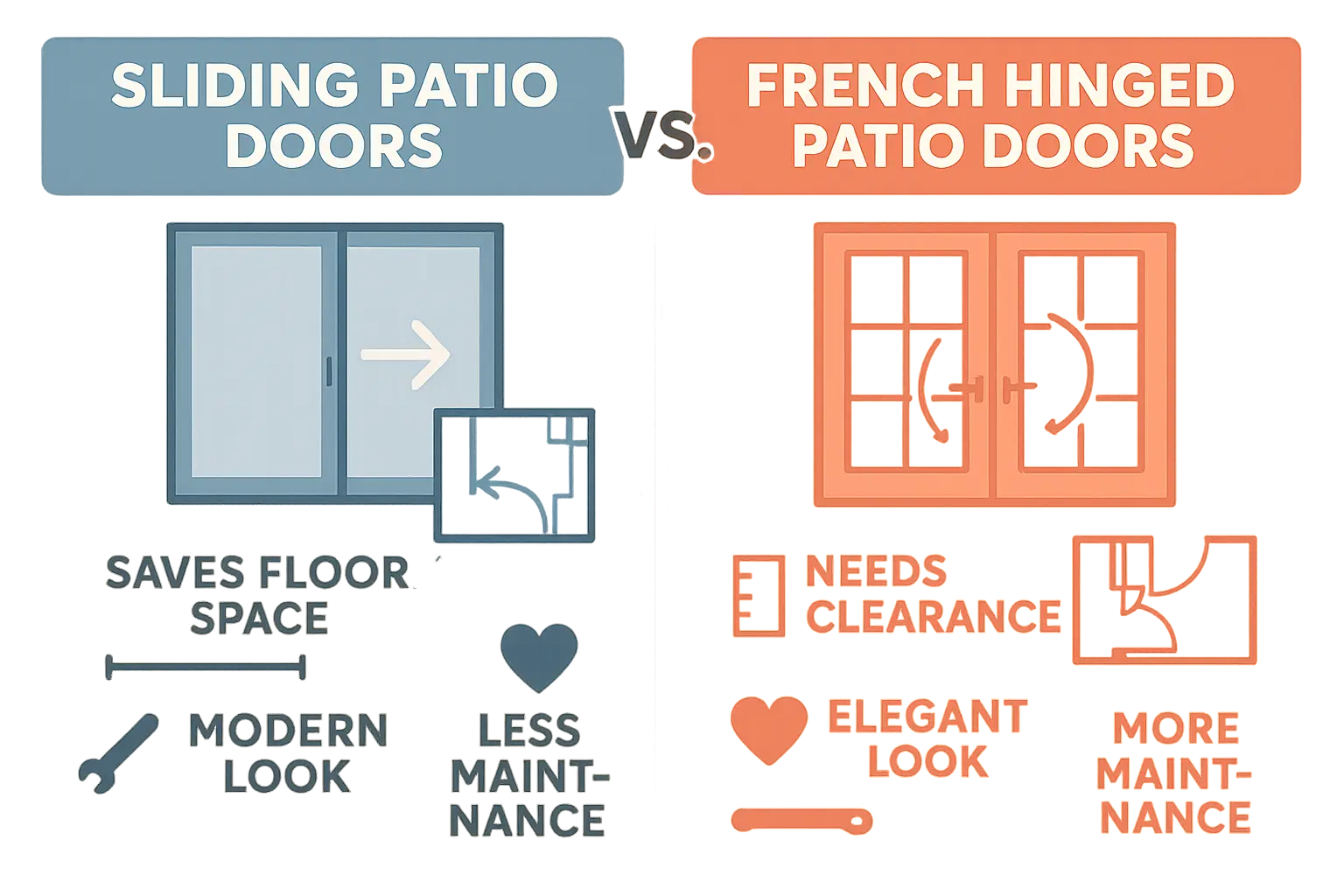
A professional sliding and patio door installation maximizes floor space and glass surface area, offering unobstructed backyard views. However, cheaper sliding tracks can collect ice and bind during New England winters. High-quality systems feature elevated brass tracks and self-cleaning rollers to prevent winter binding.
Alternatively, a classic french door replacement offers unmatched elegance and a wider walk-through opening, though you must account for the swing radius in your room layout.
Protecting Your Investment with Storm Doors
Many Connecticut homeowners ask if a storm door is truly necessary. A high-quality storm door replacement is highly beneficial if you have an expensive wood front door exposed to direct afternoon sun or heavy coastal rains.
Storm doors block wind-driven rain and allow you to safely leave your main door open for ventilation during spring and autumn. To make seasonal transitions seamless, you can even install custom options that allow you to quickly swap panels or replace the screen on a screen door for fresh New England air.
Local CT Craftsmen vs. National High-Pressure Brands
When researching options like Westshore Home exterior doors, it is easy to get drawn in by promises of “one-day installations.” However, national franchises often rely on rotating networks of third-party subcontractors, leading to inconsistent installation quality.
As a local, family-owned provider with over 15 years of experience in Connecticut, A1 Doors Services delivers a personalized, pressure-free alternative. Our licensed, in-house technicians handle every project from start to finish. We stand by our transparent, itemized quotes—valid for 60 days—ensuring you get premium craftsmanship without the high-pressure sales pitches.
Frequently Asked Questions
Which exterior door material is best for Connecticut's climate?
Insulated fiberglass is widely considered the best choice for Climate Zone 5. It provides the visual warmth of real wood, does not warp under high seasonal humidity, and features an insulated polyurethane core that meets strict Energy Star U-factor standards.
What is the maximum U-factor allowed for patio doors in Connecticut?
According to the 2022 Connecticut State Building Code, new glazed sliding patio doors must have a maximum U-factor of 0.30 to meet prescriptive energy-efficiency guidelines.
How do I prevent my sliding patio doors from freezing in the winter?
To prevent track freeze-ups, choose patio doors designed with elevated brass or stainless steel tracks and self-cleaning rollers. Regular maintenance, including vacuuming out the tracks and applying silicone-based lubricants, also keeps them operating smoothly.