(855) 676-0881

Your Pet Deserves Freedom. Your Home Deserves Security. Here’s How to Have Both.


Published: Sep 14, 2026

You love the idea of your dog or cat freely enjoying the backyard. But the thought of cutting a permanent hole in your back door brings a wave of questions: Will it create a draft? Is it a security risk? What if I have a sliding glass door?

It’s the classic dilemma every pet owner faces: convenience versus peace of mind.

For years, homeowners have cobbled together information from product pages, hardware store guides, and manufacturer websites, but no one has connected the dots. The “aha moment” most people miss is this: Your pet door journey doesn’t start with the pet door. It starts with your existing back door. The type and material of your door dictate every other choice you’ll make, from installation complexity to long-term security.

This guide is the all-in-one resource you’ve been looking for. We’ll walk you through the entire process, connecting your specific back door to the best options, installation considerations, and security solutions. By the end, you’ll be able to make a confident choice that gives your pet freedom and keeps your home safe and sound.

Foundation: Your Back Door Dictates Your Options


Before you even start browsing for pet doors, take a good look at your back door. Is it a sliding glass door, a classic set of French doors, or a standard utility door made of wood, fiberglass, or steel? Answering this question first simplifies the entire process. Each type has a unique set of compatible pet door solutions and installation challenges. For many homeowners, this is a common reason to consult professional door services to understand the possibilities.

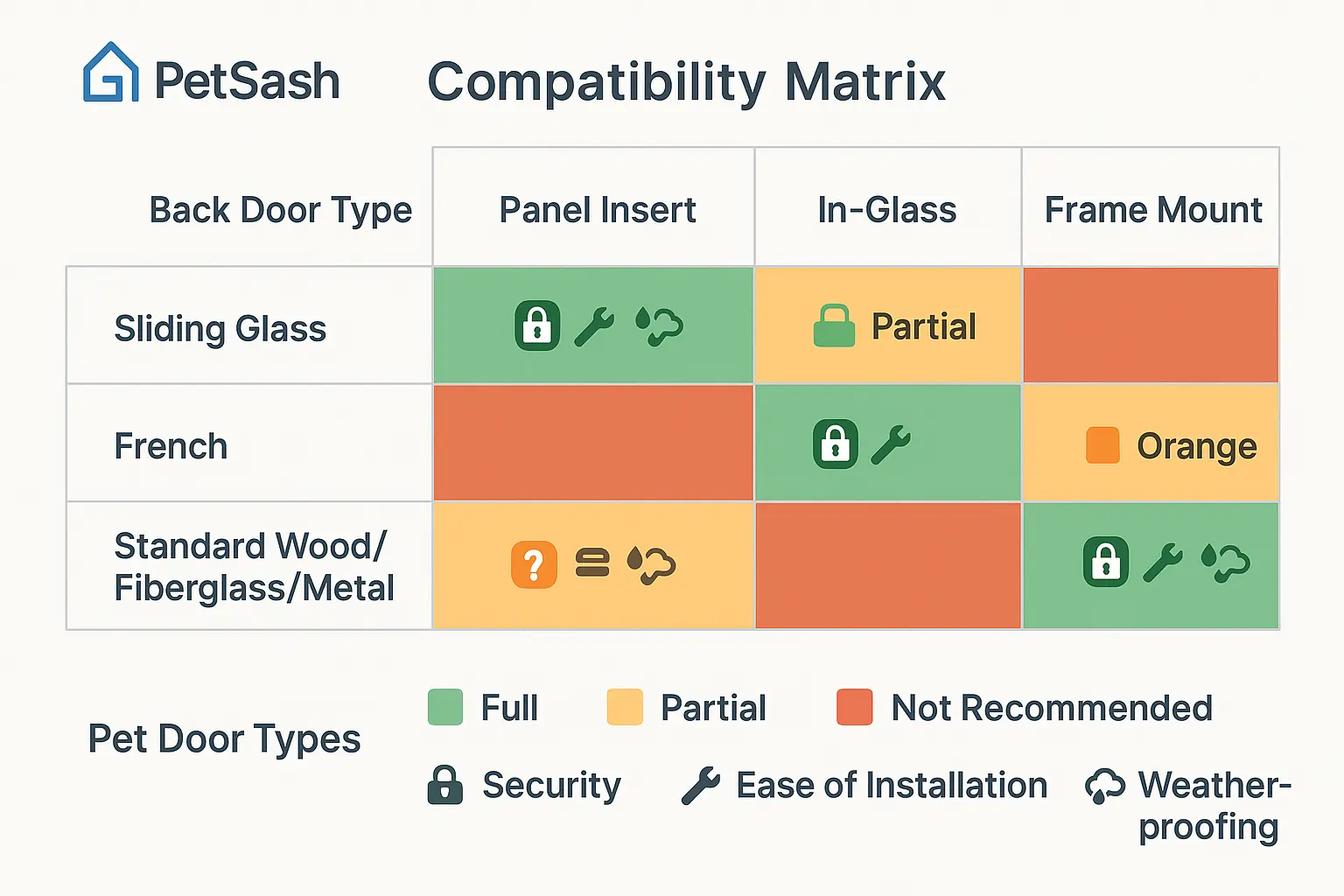
Match your back door type to the best pet door options considering security, installation ease, and weatherproofing to simplify your decision-making process.

Let’s break down the options based on the three most common residential back doors.

Building: Pet Door Solutions for Your Door Type


Once you’ve identified your door, you can explore the specific pet door models designed to work with it. Whether you’re upgrading your entire entryway or just adding a feature, browsing a catalog of high-quality A1 doors can also give you ideas for your home’s overall aesthetic and security.

For Sliding Glass Doors

Sliding glass doors are incredibly popular, but they present a unique challenge. You can’t just cut a hole in the glass. Homeowners here generally have two fantastic options:

  1. Panel Inserts: These are the most common solution. A tall, thin panel containing the pet door is fitted into the track of your sliding door. The slider then closes against the panel instead of the door jamb. They are often spring-loaded for a tension fit, making them easy to install and remove—perfect for renters.
  2. In-Glass Models: This is a more permanent and seamless option. A professional glazier or door technician replaces the entire glass unit in your sliding door with a new one that has the pet door pre-installed. It offers the best seal and security but is a more significant investment.
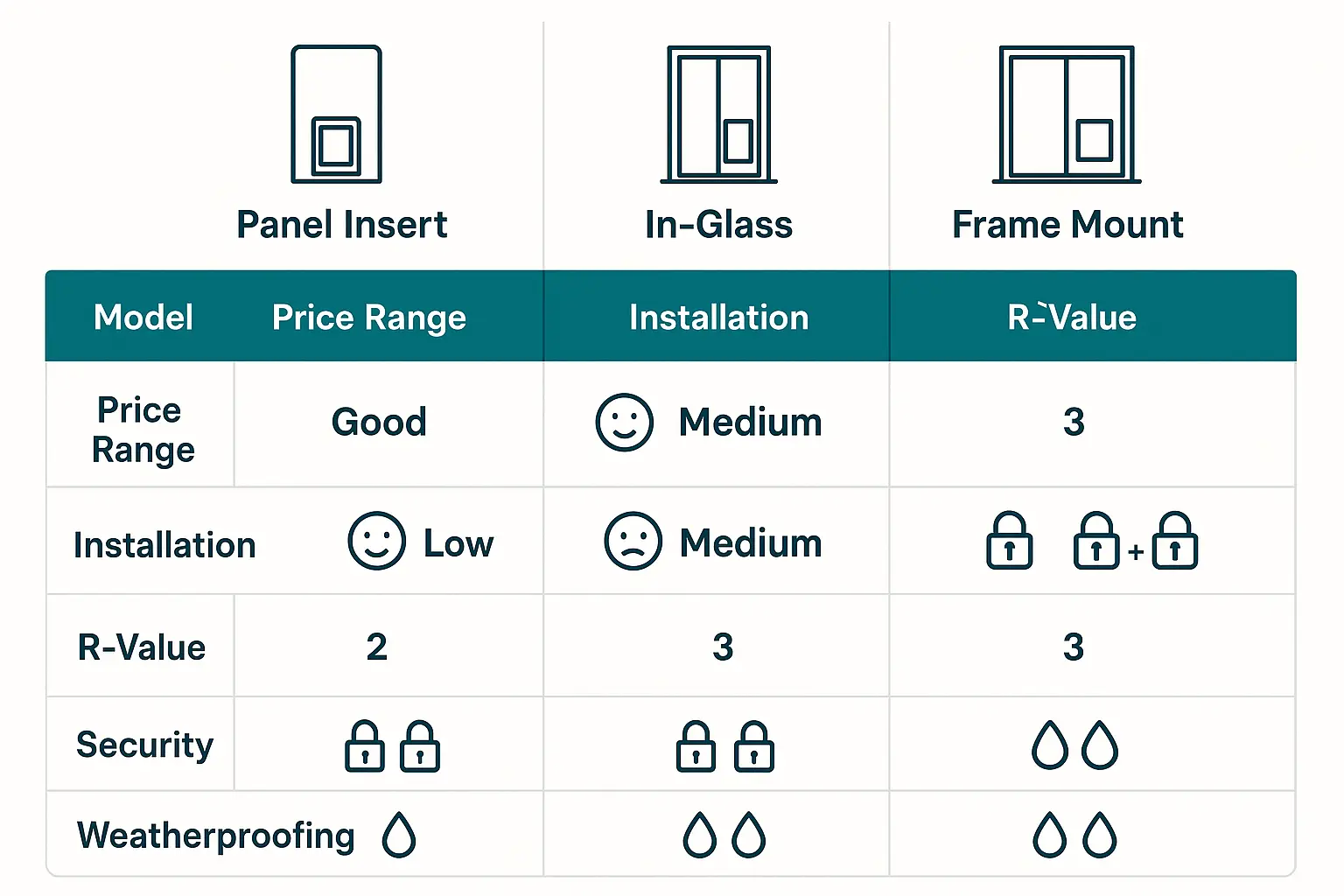
Quickly compare sliding glass door pet door options by cost, security, insulation, and ease of installation to find the perfect fit for your home and pet.

For French Doors

The elegance of French doors can make homeowners hesitant to modify them. The key is preserving their classic look while adding functionality. The best solution is almost always an in-glass installation, similar to the one for sliding doors. A single glass pane is professionally replaced with a new one that includes the pet door, maintaining the door’s structural integrity and aesthetic. Avoid models that require cutting into the door’s frame (muntins or mullions), as this can compromise its strength.

For Standard Wood, Fiberglass, or Metal Doors

If you have a traditional back door, your options are more straightforward. The classic through-door flap installation is the go-to choice. A hole is cut directly through the door panel, and the pet door frame is mounted on both sides.

However, the door material matters:

  • Wood Doors: Relatively easy to cut, but the cut-out must be sealed properly to prevent moisture from causing the wood to swell or rot.
  • Fiberglass & Steel Doors: These often have foam core insulation. Cutting into them requires precision tools to avoid damaging the door’s surface. A professional installer will ensure the insulated core is properly framed out to maintain the door’s energy efficiency.

Mastery: The Professional Installation & Security Guide


Choosing the right pet door is half the battle. Ensuring it’s installed correctly is what guarantees your security, prevents drafts, and protects your investment in the door itself.

Why Professional Installation Matters

While some panel inserts are DIY-friendly, any project that involves cutting into your door or replacing glass is best left to a professional. Here’s why:

  • Precision and Safety: An improper cut can ruin a door, costing hundreds or thousands to replace. Professionals have the right tools to handle different materials safely.
  • Structural Integrity: They know how to install a pet door without compromising the strength of your main door.
  • Perfect Weather Sealing: The number one complaint about poorly installed pet doors is drafts. An expert ensures a flawless seal, protecting you from the elements and saving you money on energy bills. A complex job might even require professional door repair skills to adjust the alignment and fit after installation.

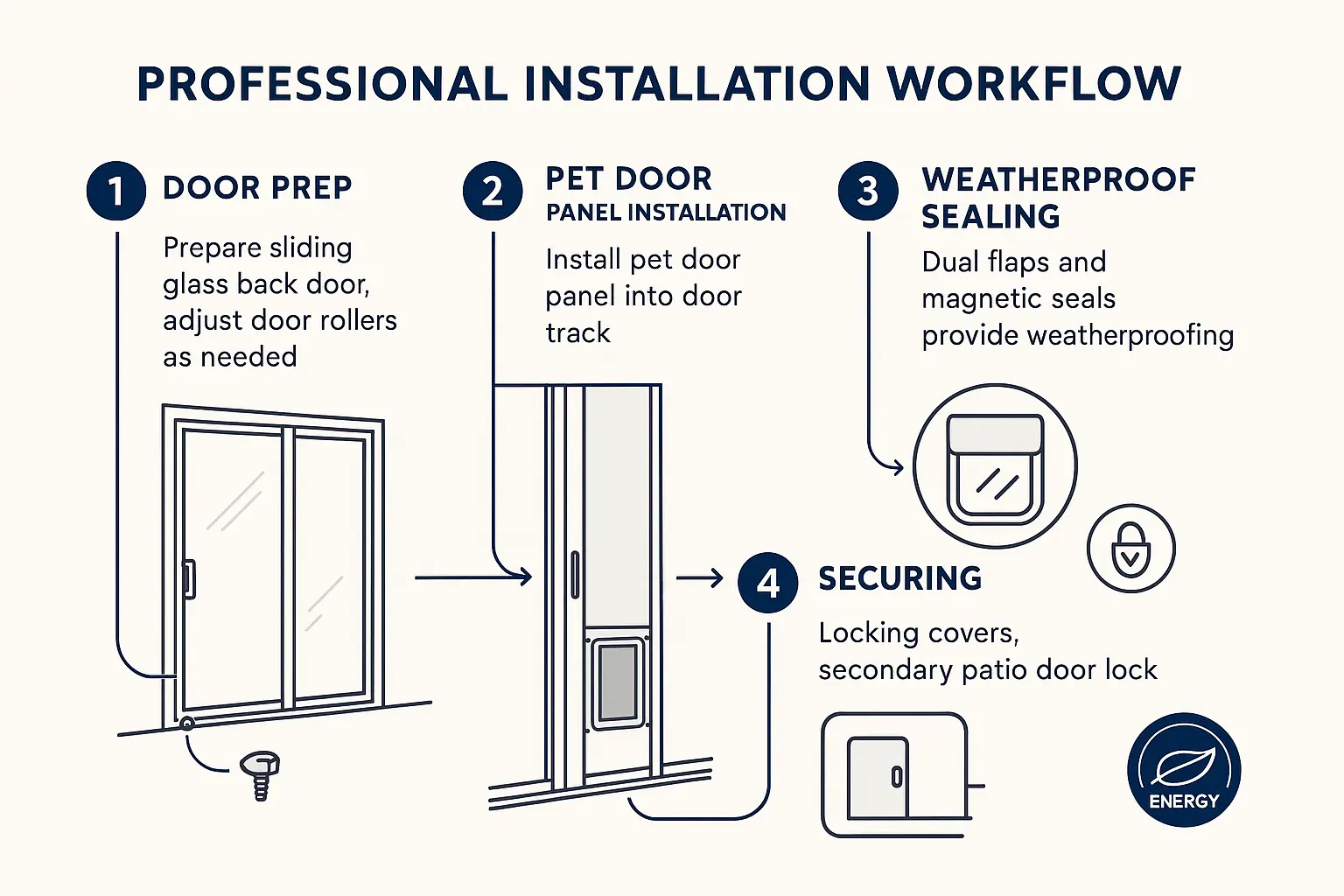
Common Mistake Callout: When installing a sliding door panel insert, many people forget to adjust the door’s rollers. This can cause the door to drag or not lock properly. A professional will always check and adjust the rollers for a smooth, secure fit.

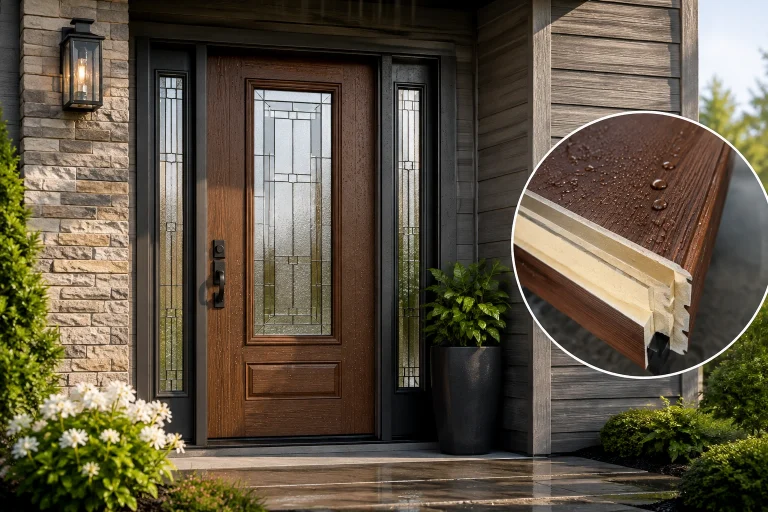
Visualize the expert installation process that ensures your sliding glass door pet door is secure, weatherproofed, and fully functional for peace of mind.

The Ultimate Weatherproofing Checklist

A modern pet door shouldn’t be a gateway for winter chills or summer heat. Look for these features and ensure they are installed correctly:

  • Dual Flaps: A two-flap system creates an insulating air pocket, drastically reducing thermal loss.
  • Strong Magnetic Closures: High-quality magnets ensure the flap seals shut every time your pet goes through.
  • Pile Brushes/Weather Stripping: The edges of the flap should be lined with dense brush material to seal the gaps, just like the weather stripping on your main door.
  • High R-Value: For extreme climates, look for pet doors with a high R-value (a measure of thermal resistance) to maximize energy efficiency.

Myths vs. Facts: Securing Your Home with a Pet Door

Let’s address the biggest concern head-on: security. Modern pet doors are designed with safety in mind, and many old fears are now unfounded.

Myth Fact
“Any burglar can crawl through a large dog door.” Most intruders are opportunists looking for an unlocked door, not a challenging entry point. Furthermore, high-quality pet doors come with strong, lockable covers that are as secure as the door itself. For sliding doors, auxiliary locks like charley bars add another critical layer of security.
“A pet door makes my home an easy target.” A properly secured pet door is no less secure than a window. In-glass models are particularly secure as they cannot be kicked in or removed like some panel inserts. Smart pet doors that only open for a specific pet’s microchip or collar tag add yet another layer of high-tech security.
“My cat can go through, but so can a raccoon!” This is a valid concern, but it’s solvable. Electronic and “smart” pet doors are designed to only open for your pet, preventing unwanted critters from inviting themselves inside.

Action: Making Your Choice & Next Steps


Giving your pet the freedom of a pet door doesn’t require you to sacrifice security, comfort, or your home’s aesthetic. By starting with your existing back door and understanding the options it allows, you can confidently choose a solution that fits your home, lifestyle, and budget.

A professionally installed, high-quality pet door is more than a convenience—it’s an investment in your pet’s happiness and your home’s functionality.

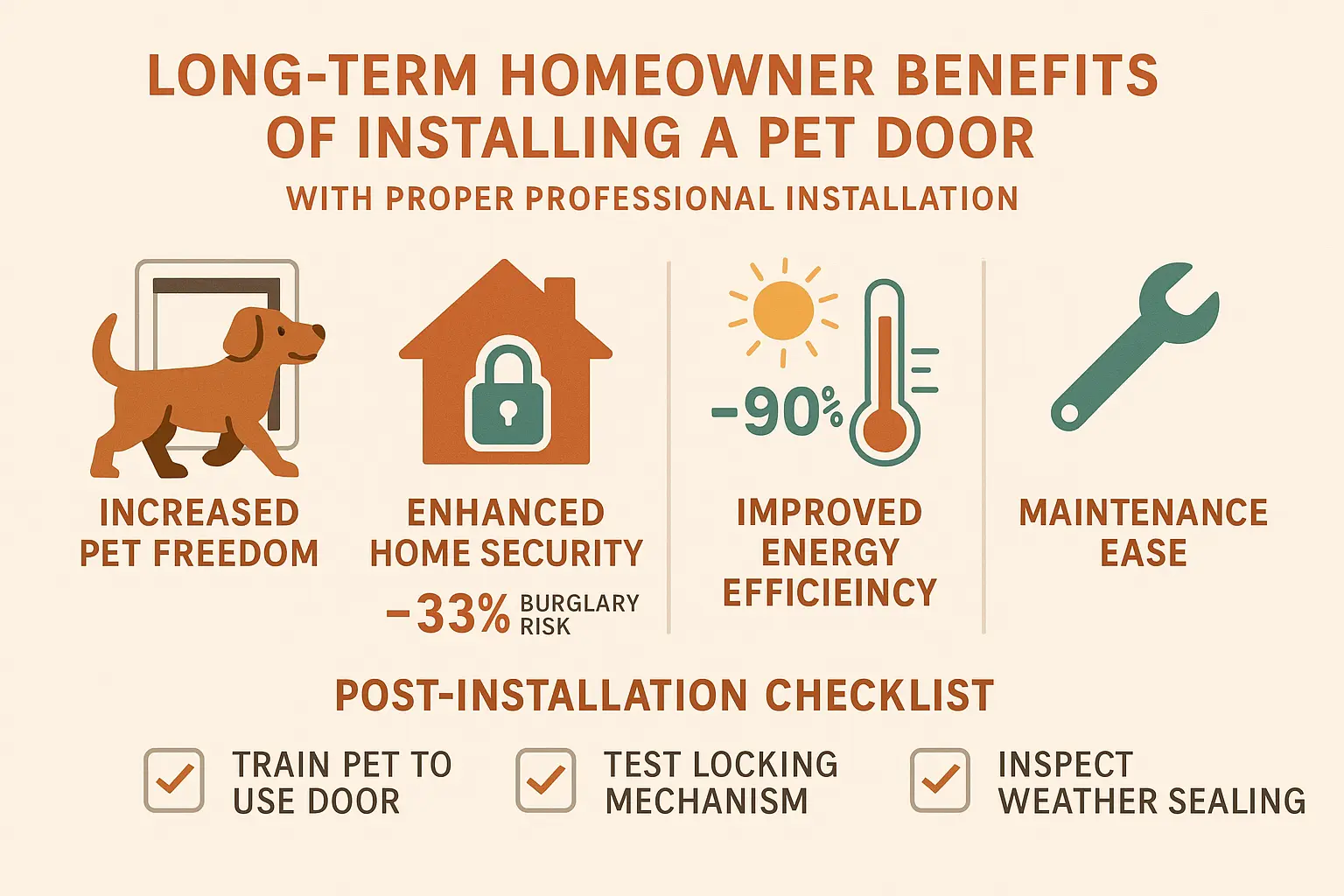
Discover the long-term value of a professionally installed pet door with security and weatherproofing benefits that protect your home and keep your pet happy.

When you’re ready to explore options or need an expert opinion, don’t hesitate to reach out to experienced door services to ensure your project is done right the first time.

Frequently Asked Questions


Which pet door type is best for my French door to maximize security?

For French doors, an in-glass installation is by far the most secure and aesthetically pleasing option. A professional replaces one of the glass panes with a new, sealed unit containing the pet door. This method doesn’t compromise the door’s structural frame and, when paired with a sturdy locking cover, is as secure as the original glass.

Can a pet door really be energy efficient?

Absolutely. Modern, high-quality pet doors are designed for energy efficiency. Look for models with dual flaps that create an insulating air pocket, strong magnetic seals, and weather stripping along the flap’s edges. For colder climates, you can even find models with a high R-value, ensuring minimal heat or AC loss.

What are the long-term maintenance needs of a pet door?

Long-term maintenance is minimal but important. You should regularly clean the flap to ensure it swings freely and the magnetic seal remains effective. Periodically check the weather stripping for wear and tear, and ensure any screws or fasteners are tight. For sliding door panels, occasionally check that the tension mount is secure and the door still slides smoothly in its track.