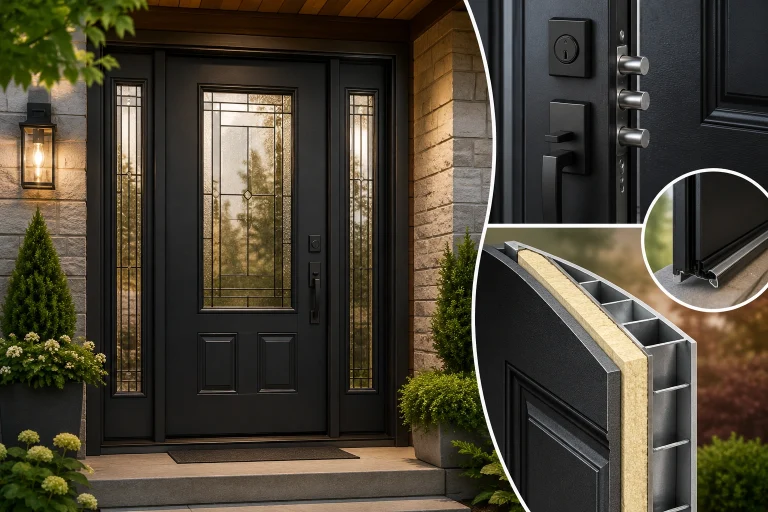
Once you’ve identified your door, you can explore the specific pet door models designed to work with it. Whether you’re upgrading your entire entryway or just adding a feature, browsing a catalog of high-quality A1 doors can also give you ideas for your home’s overall aesthetic and security.
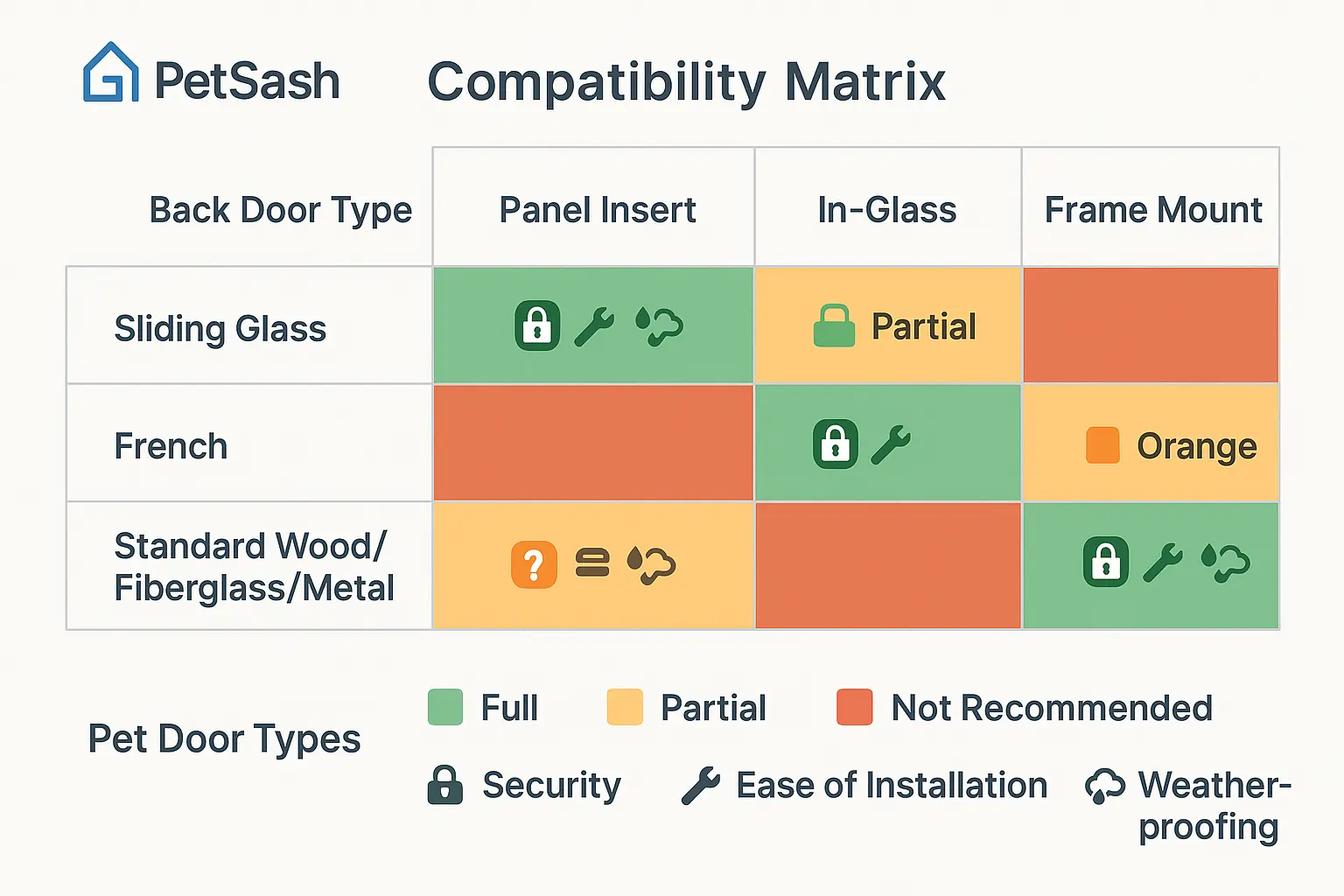
For Sliding Glass Doors
Sliding glass doors are incredibly popular, but they present a unique challenge. You can’t just cut a hole in the glass. Homeowners here generally have two fantastic options:
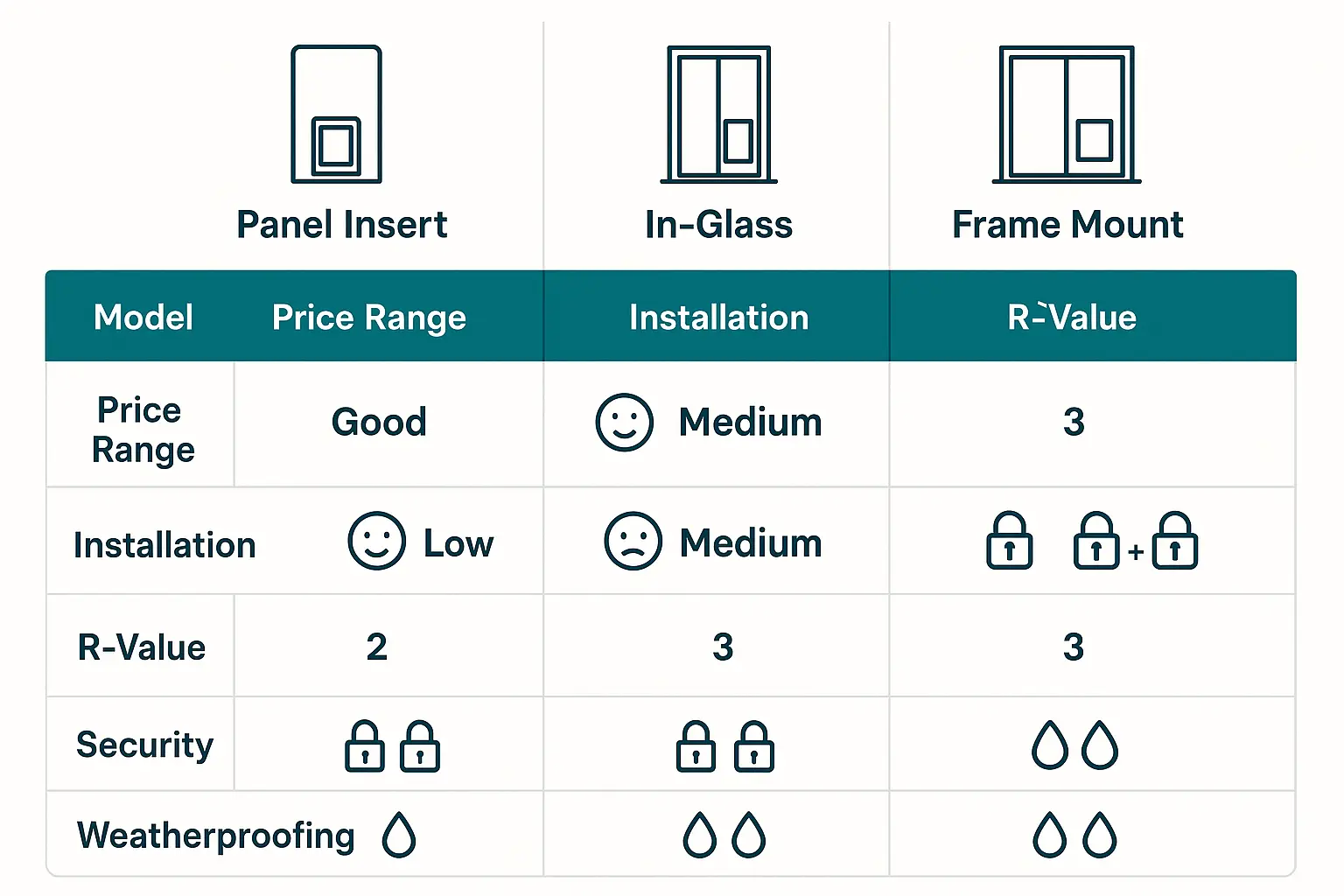
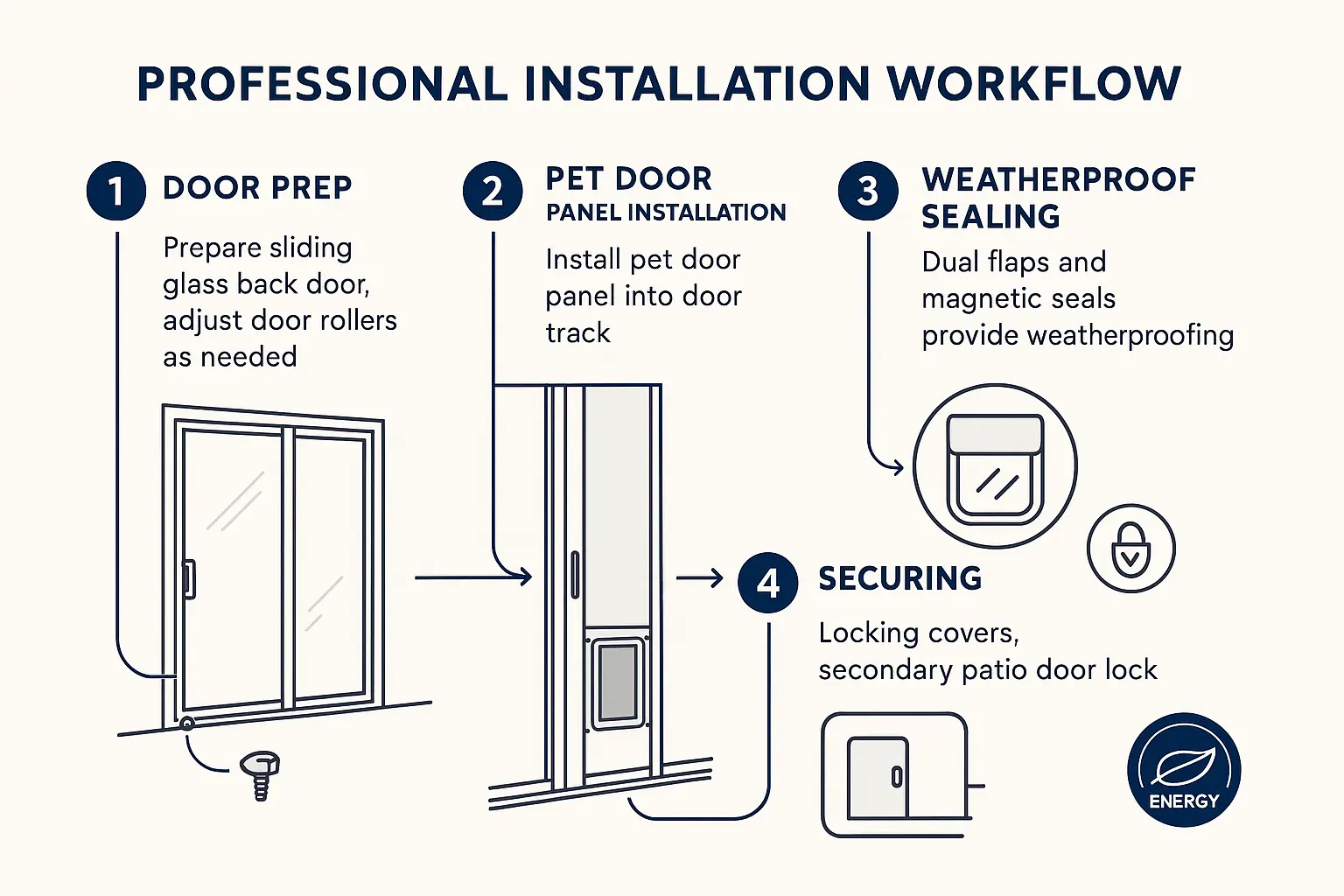
- Panel Inserts: These are the most common solution. A tall, thin panel containing the pet door is fitted into the track of your sliding door. The slider then closes against the panel instead of the door jamb. They are often spring-loaded for a tension fit, making them easy to install and remove—perfect for renters.
- In-Glass Models: This is a more permanent and seamless option. A professional glazier or door technician replaces the entire glass unit in your sliding door with a new one that has the pet door pre-installed. It offers the best seal and security but is a more significant investment.
For French Doors
The elegance of French doors can make homeowners hesitant to modify them. The key is preserving their classic look while adding functionality. The best solution is almost always an in-glass installation, similar to the one for sliding doors. A single glass pane is professionally replaced with a new one that includes the pet door, maintaining the door’s structural integrity and aesthetic. Avoid models that require cutting into the door’s frame (muntins or mullions), as this can compromise its strength.
For Standard Wood, Fiberglass, or Metal Doors
If you have a traditional back door, your options are more straightforward. The classic through-door flap installation is the go-to choice. A hole is cut directly through the door panel, and the pet door frame is mounted on both sides.
However, the door material matters:
- Wood Doors: Relatively easy to cut, but the cut-out must be sealed properly to prevent moisture from causing the wood to swell or rot.
- Fiberglass & Steel Doors: These often have foam core insulation. Cutting into them requires precision tools to avoid damaging the door’s surface. A professional installer will ensure the insulated core is properly framed out to maintain the door’s energy efficiency.