When an automatic entrance begins to fail, facility managers face a crucial financial decision: do you authorize a costly full-frame tear-out, or can you modernize the existing system? The global automatic door sector is scaling rapidly, projected to grow from $27.18 billion in 2025 to over $49 billion by 2035 with a steady compound annual growth rate of up to 7.1%. This expansion is heavily driven by commercial facilities retrofitting legacy entrances to meet modern demands.
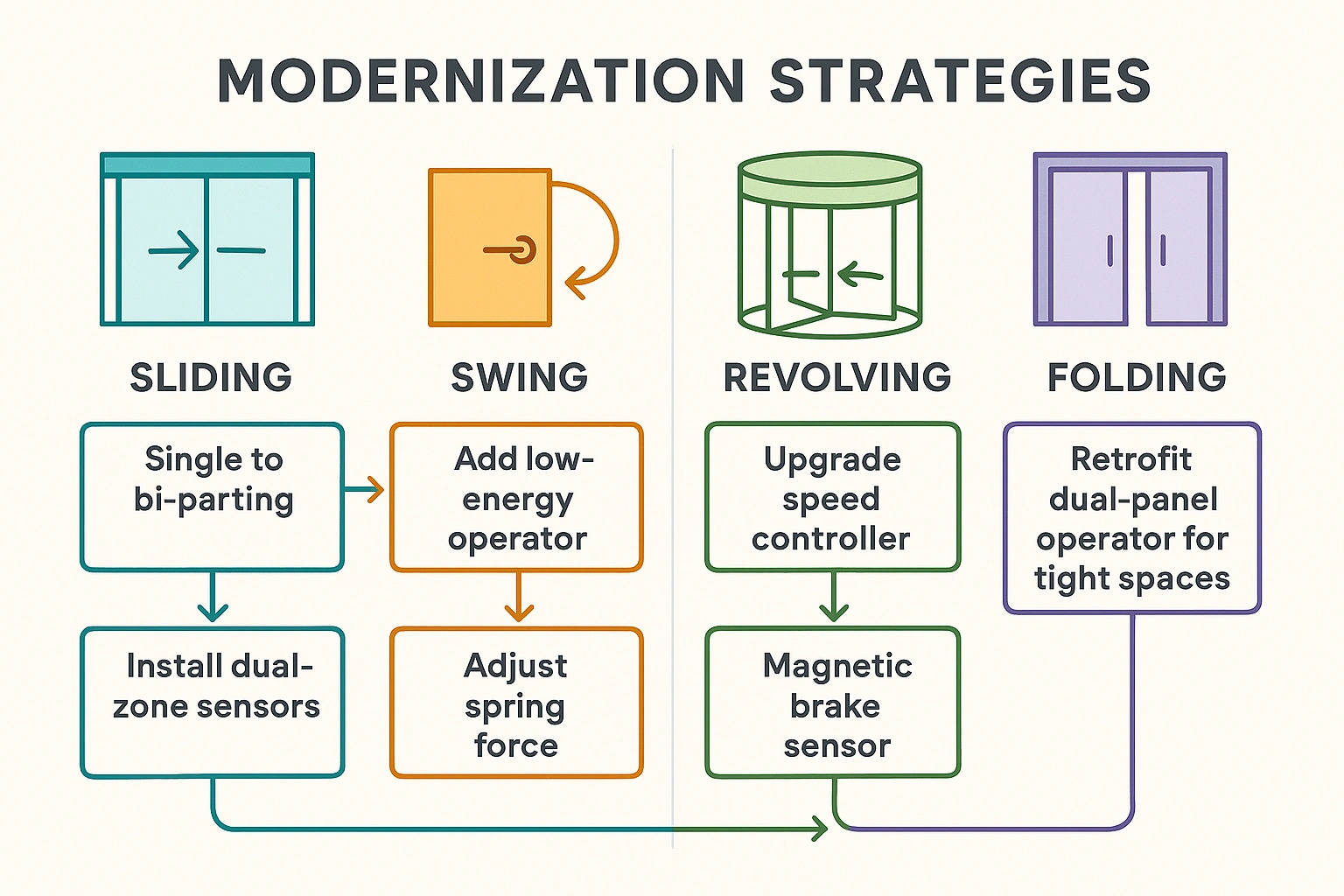
Ripping out structural glass and surrounding casework is rarely necessary. By adopting a “good bones” philosophy, you can preserve your existing architectural framing while upgrading internal operators, headers, and safety sensors. This approach reduces modernization costs, prevents unnecessary structural disruption, and avoids costly vendor lock-in.
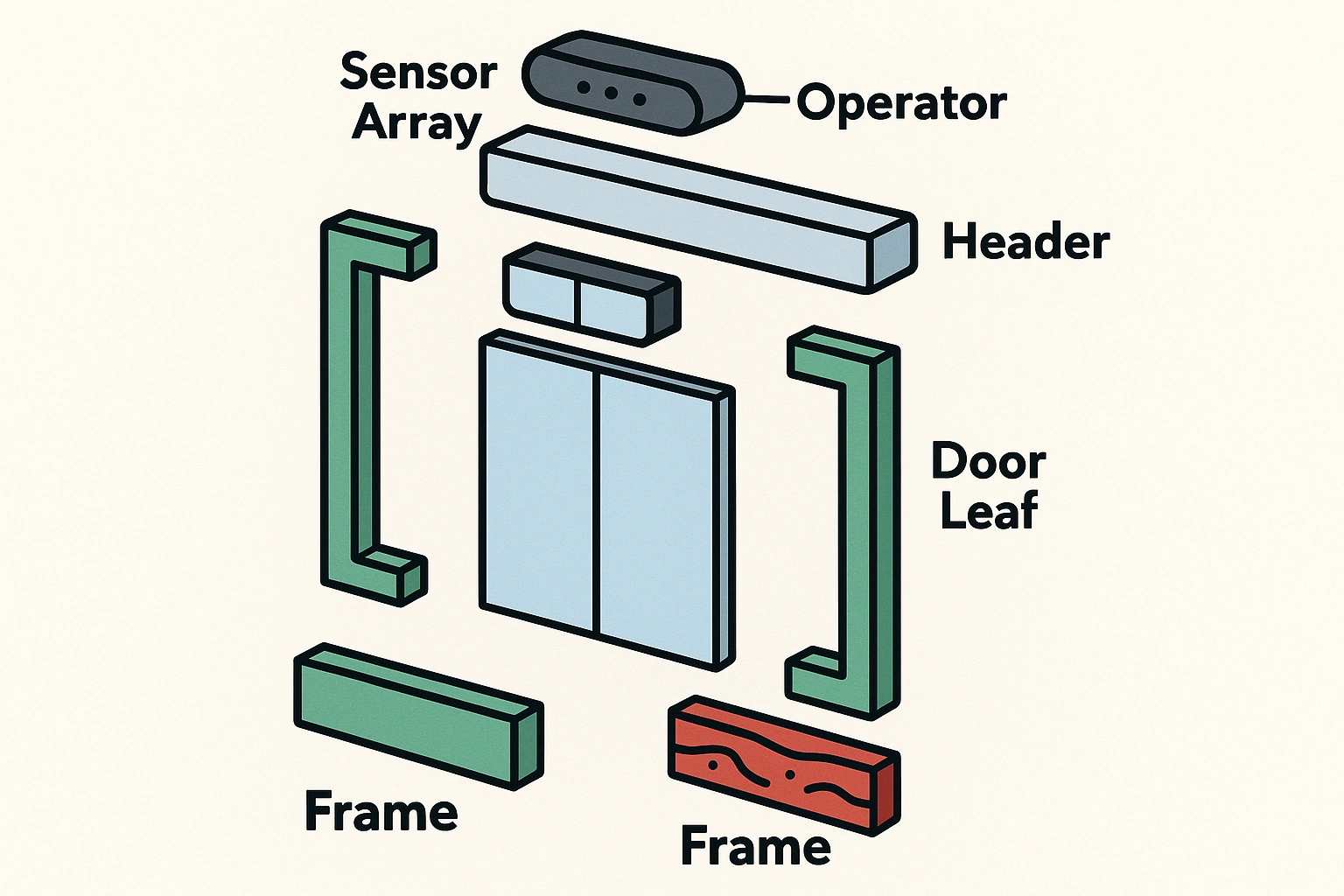
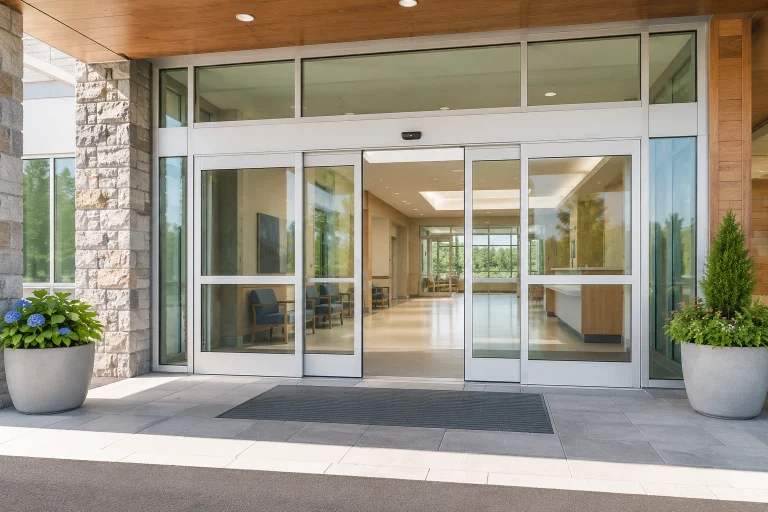
This illustration reveals the core mechanical components that define whether an automatic door frame has the ‘Good Bones’ necessary for cost-effective modernization versus full replacement.
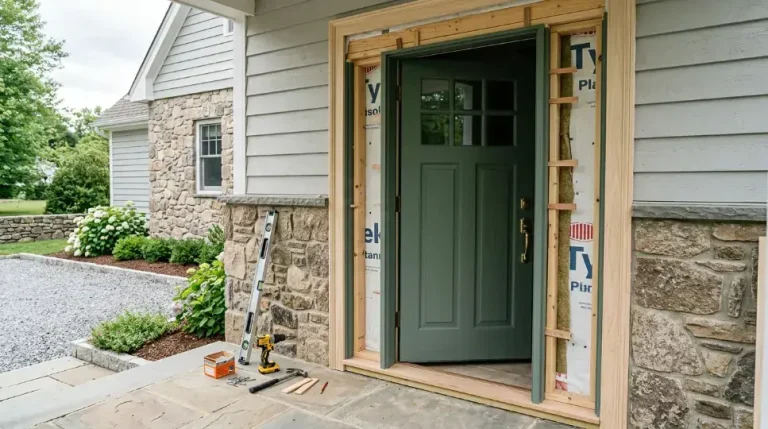
Before committing to a capital expenditure, conduct a frame integrity audit. Inspect the header for sag, check the threshold for rot or corrosion, and verify if the frame is square. If the frame is structurally sound, a component-level retrofit is your most viable path. For buildings requiring specialized local assistance, searching for a trusted expert in commercial door repair near me can help confirm if your structural framing is ready for modernization.